What is Thermal Scanning?

Thermal scanning is the use of a special type of scanner (camera-like device) that records the temperature distribution of an object by detecting infrared radiation.  Normally, humans are unable to see into the infrared spectrum and instead have a very narrow field of vision, as shown below.  However, with special equipment, we are able to detect and convert this infrared data into a visual image.
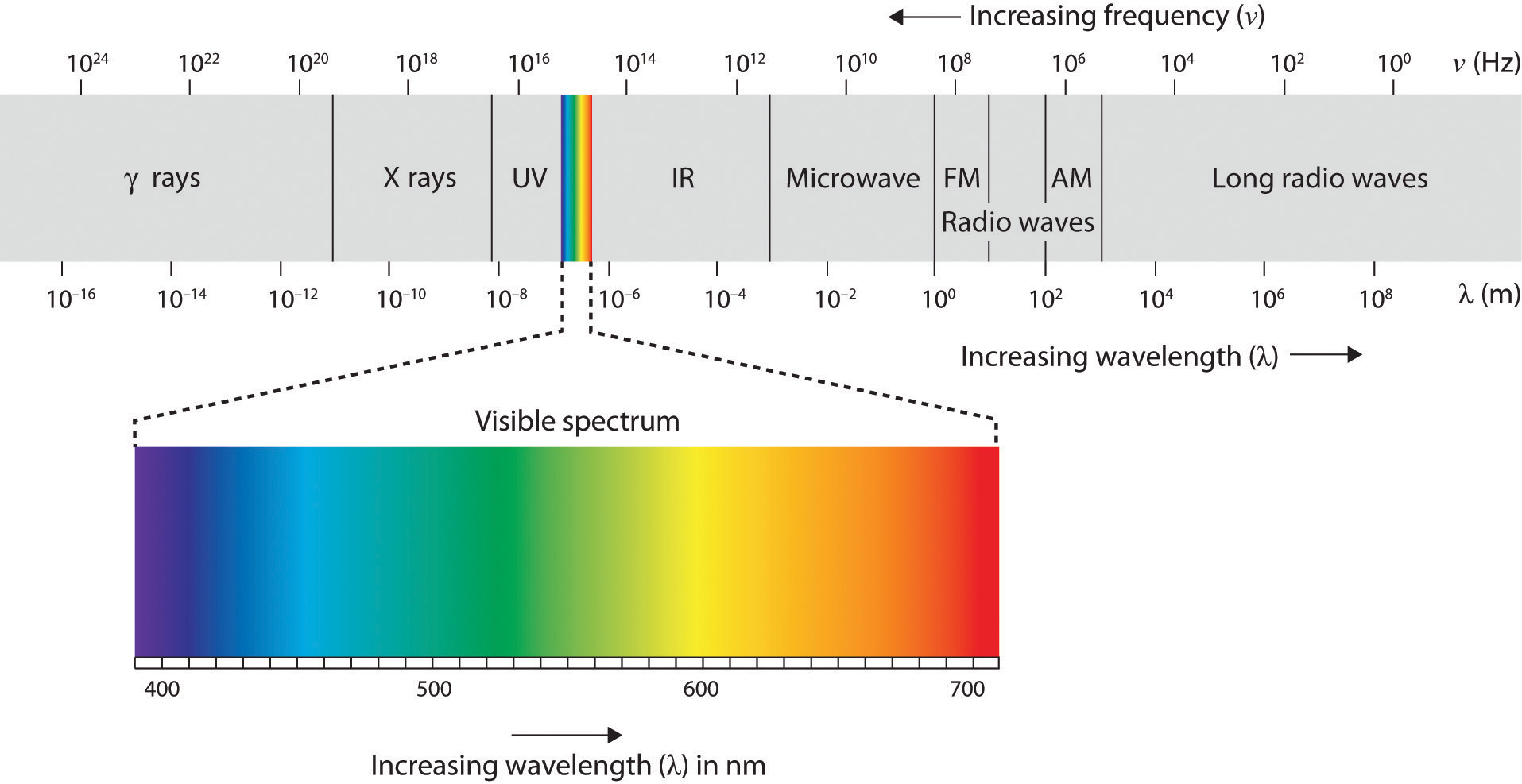
Diagram of infrared spectrum and visible spectrum

What is Infrared Radiation?

Everything with a temperature above absolute 0 (-273.13°C or 0°K) releases infrared radiation. In operating electrical and mechanical equipment, that heat forms a measurable pattern that can be captured through thermal scanning, even when there are no visible signs of a problem.

Using thermography, this data is converted into a thermal image showing how heat is distributed across a surface. Although the image itself is quite simple, interpreting it requires technical knowledge and understanding of operating conditions. Reliable interpretation depends on how those patterns compare under load, within expected operating ranges and in the context of the site and conditions at the time of inspection.

What is a thermal image?

In practical terms, it is a visual snapshot of surface temperatures taken during a thermal scan. Colour variations indicate differences in heat across an asset, helping highlight areas that may be operating outside expected conditions. When reviewed alongside load and site context, a thermal image provides valuable insight into developing faults.
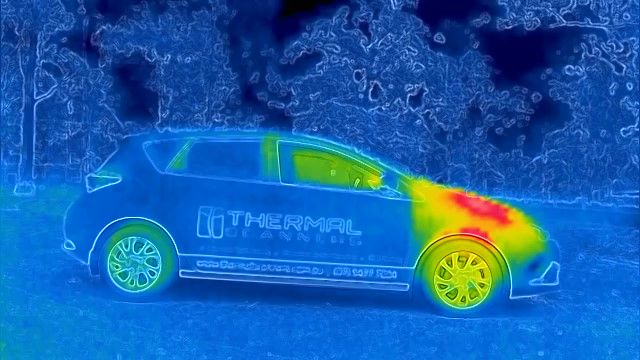
However, accurately measuring temperature is more complex than it first appears. Different materials emit infrared radiation at different rates due to their ‘emissivity’, which directly affects how heat is recorded during thermal scanning. This is one of the reasons thermography must be carried out by trained professionals who understand how surface type, finish and environment influence the readings. Emissivity is a technical topic in its own right and is explored in more detail separately.

What Can Thermal Scanning Detect?

Because thermography focuses on surface temperature differences, it is well-suited to identifying heat-related issues that are not visible during a visual inspection. These conditions are more common than many people expect and are frequently found in electrical equipment, solar installations and areas of energy loss.

In electrical systems, heat is often an unwanted byproduct of increased resistance. As faults develop, issues such as loose connections, load imbalance or component degradation cause resistance to rise, leading to elevated operating temperatures. Depending on the component and load, temperatures can exceed 400°C prior to failure, significantly increasing the risk of electrical fire if left unaddressed.

Thermographic results are assessed comparatively, not in isolation. Identified hot spots are reviewed against surrounding surfaces and components, against similar equipment operating under comparable conditions, and, where available, against a previous thermal image of the same asset. This approach helps determine whether a temperature variation reflects normal operation or a developing fault.

Thermographic scans are commonly used on:

  • Electrical switchboards and distribution boards.
  • Transformers and high-voltage equipment.
  • Circuit breakers and cable terminations.
  • Motors, pumps and generators.
  • Bearings and conveyor systems.
  • Solar panels and associated connections.

What Can't Thermal Scanning Detect?

Thermal scanning can only detect the surface energy of an object. It does not see through walls, clothing, glass or other solid materials. While popular media often suggests otherwise, thermal scanners record infrared energy emitted from the surface of an object, not what lies beneath it. For this reason, results must be interpreted with a clear understanding of asset construction, access and operating conditions at the time of inspection.

Types of Thermal Imaging

Mechanical thermography

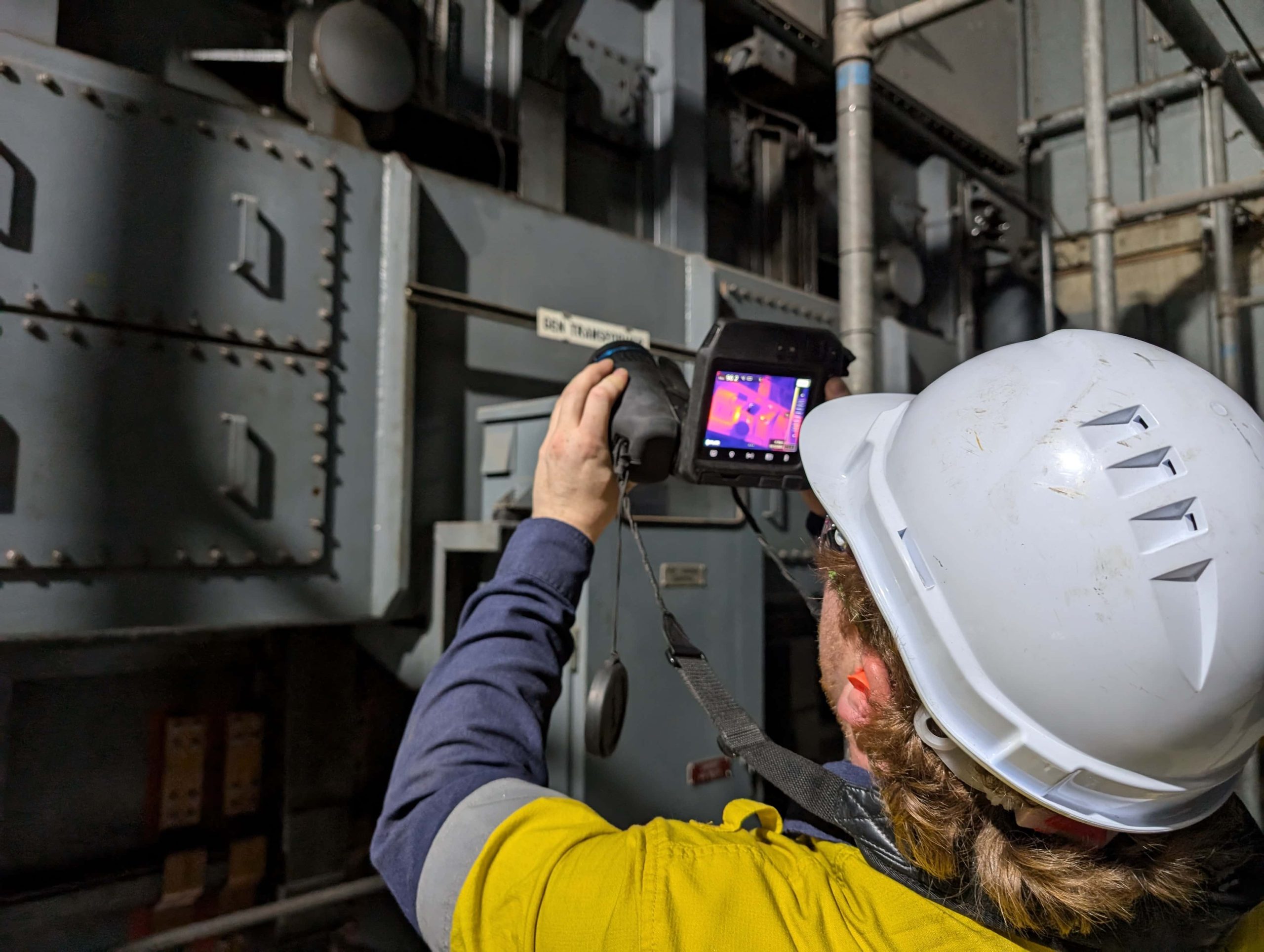
Mechanical thermography uses high-resolution infrared cameras to assess heat patterns in operating mechanical equipment. Scans are typically carried out while assets are under normal load to identify issues caused by friction, wear or misalignment. It is commonly used on pumps, bearings, generators, motors, conveyor lines and rollers. Learn more about mechanical thermography and how it supports early fault detection and planned maintenance.
Electrical thermography

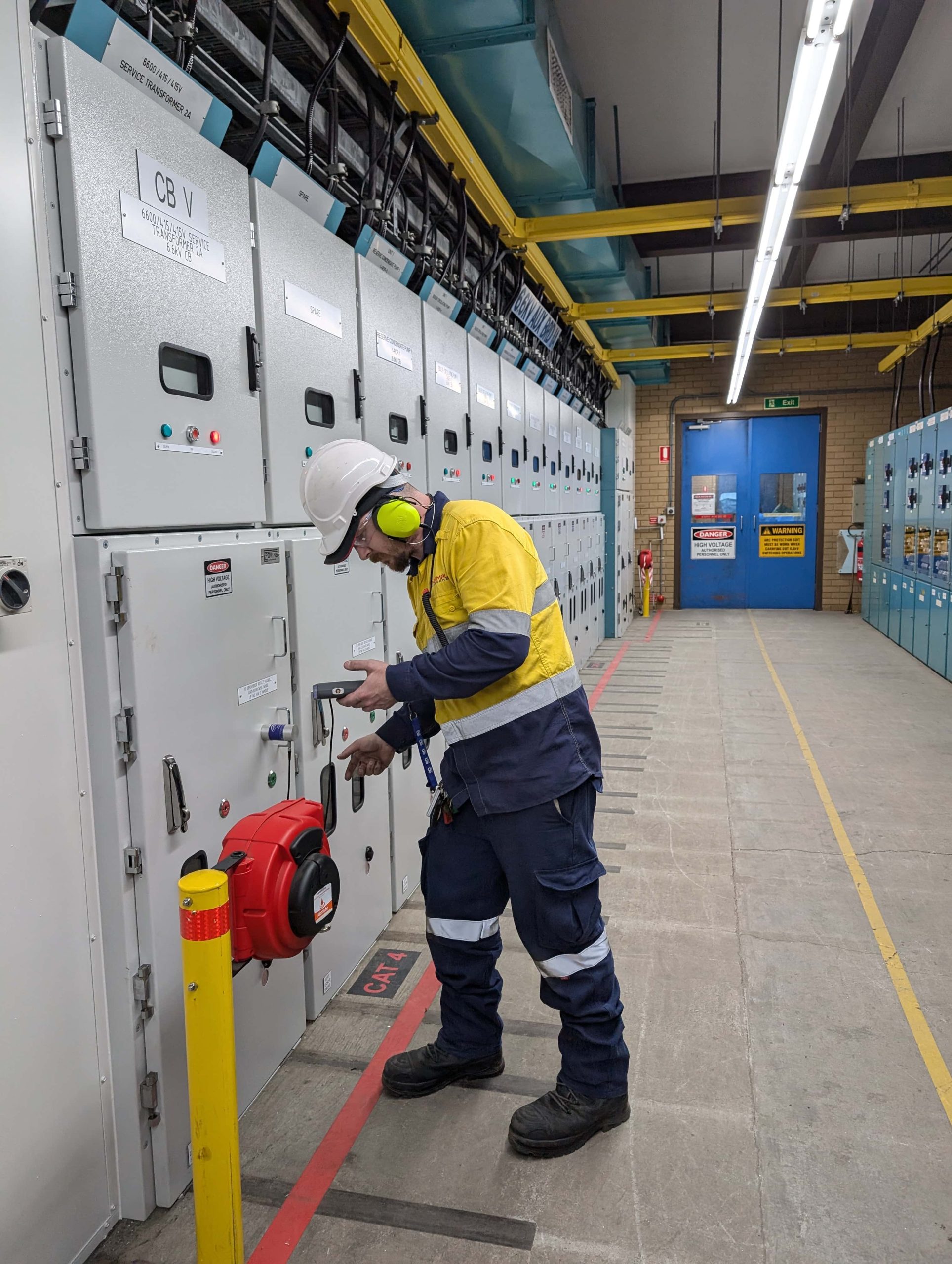
Electrical thermography involves scanning live electrical systems with calibrated infrared cameras to identify abnormal heat caused by faults or inefficiencies. Inspections are commonly carried out on cables, circuit breakers, switchgear and transformers while equipment is operating under load. Learn more about electrical thermography and how it supports electrical safety, compliance and risk management.

Cold room leak detection

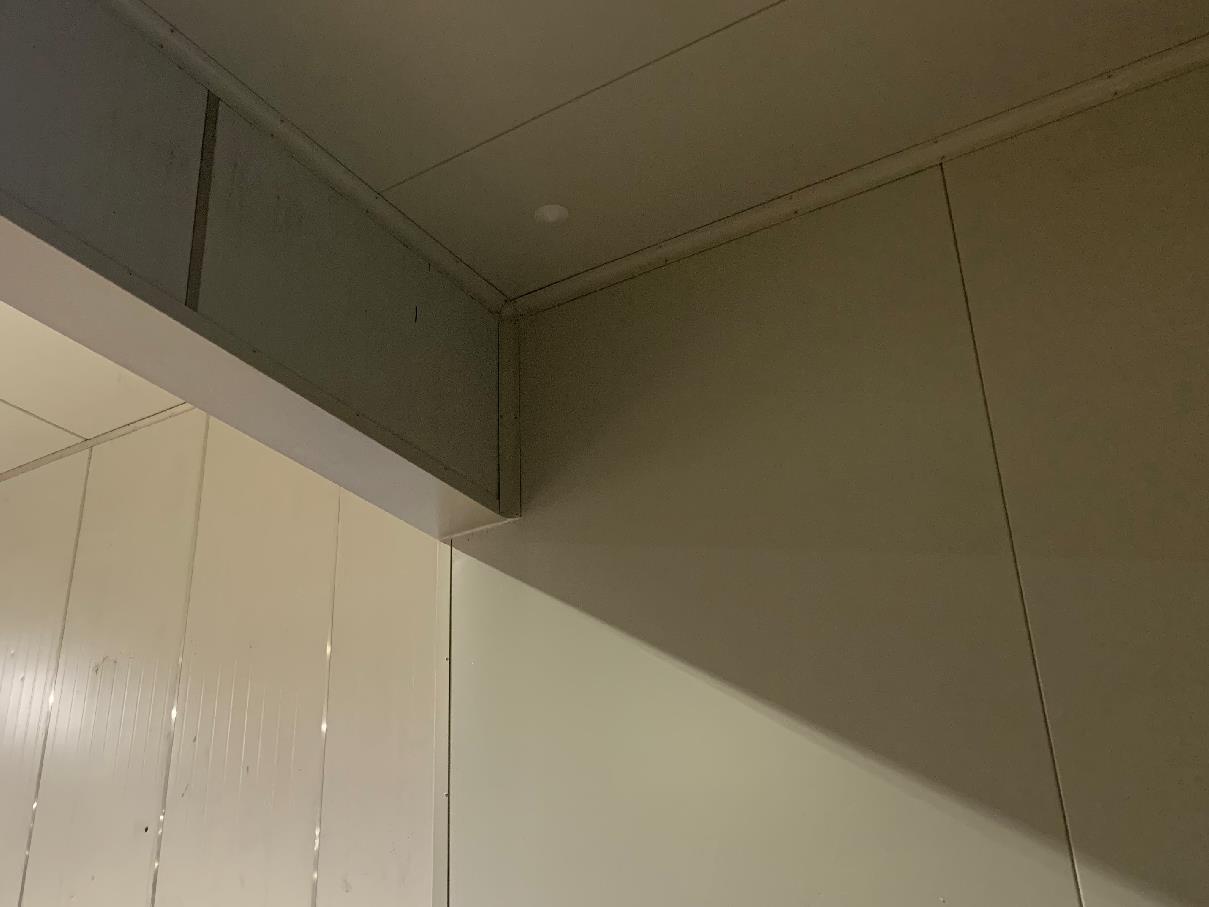
Cold room leak detection uses thermal scanning to identify areas where temperature loss indicates insulation failure or air leakage. Scans commonly reveal issues at insulation panel joints, floor-to-ceiling junctions, corners, door seals and service penetrations such as electrical and plumbing points. Learn more about cold room leak detection and how it supports energy efficiency and temperature control.
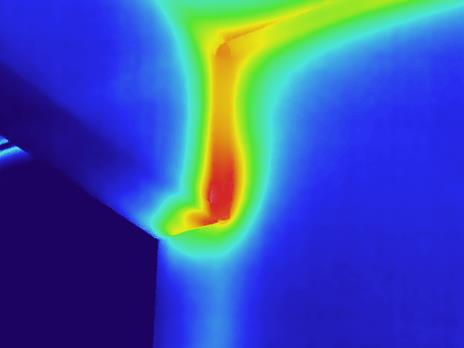
Why are Thermal Scans Helpful?

Thermal scans are typically scheduled as part of routine maintenance, rather than triggered by a visible fault. This allows developing issues to be picked up while the equipment is still operating normally. In many cases, abnormal heat can be traced back to loose connections, load imbalance or early component wear, well before failure occurs. Addressing these issues early reduces the likelihood of fire risk, equipment damage or an unplanned shutdown later on.

Thermal scanning also supports wider safety and operational outcomes:

  • Reduces risk of injury by identifying electrical and mechanical hazards before they expose staff or customers to fire or electric shock.
  • Limits shutdown costs by allowing issues to be addressed during planned maintenance.
  • Reduces repair costs by preventing secondary damage caused by prolonged overheating.
  • Supports regulatory compliance through documented, insurer-ready inspection evidence.
  • Highlights energy inefficiencies by revealing heat loss and abnormal operating conditions.

When to Do a Thermal Scan

Thermal scans are typically carried out as part of a regular, insurance-compliant inspection program, particularly where electrical assets present a higher risk profile. Ongoing inspections help demonstrate due diligence and provide documented evidence for insurers and auditors.

The need for thermal scanning, including how often it is performed, depends on how the equipment is used and the environment it operates in. These requirements vary across sectors, which is why many organisations align inspections with thermal scanning for your industry.

Thermal scans are commonly recommended:

  • Before and after major electrical or mechanical system upgrades.
  • On main switches or distribution boards with ageing or outdated equipment.
  • Where assets operate in dusty or corrosive environments.
  • When electrical equipment is installed near combustible materials or exposed to open air.
  • On circuits operating close to their maximum rated capacity.

Who Should Conduct Thermal Scans?

Thermal scans should be carried out by accredited professionals with the qualifications, experience and reporting capability to support insurance and audit requirements. Thermal Scanners specialises in electrical thermography and compliance testing across commercial, industrial and government infrastructure. Our work is led by highly qualified engineers, supported by large-scale project experience, detailed audit-ready reporting and fast turnaround times. 

If you need advice on inspection scope, compliance requirements or scheduling, you can contact us to discuss your site or portfolio.

The Importance of Regular Switchboard Electrical Thermography

The world of commercial real estate is an intricate matrix of countless moving parts. A single glitch can disrupt a harmonious operation, which could be costly. That’s why, as a landlord, preventative maintenance should be high on your priority list. A particularly crucial aspect of this involves your property’s electrical systems, where potential issues can lie hidden, only to surface when you least expect them. This is where the power of electrical thermography comes into play.

At Thermal Scanners, we are the industry leaders in electrical thermography. We help businesses identify, mitigate, and prevent electrical faults before they escalate into disruptive, costly, and sometimes dangerous situations. In this blog, we aim to provide you with an in-depth understanding of electrical thermography and how regular electrical switchboard scanning can significantly contribute to the smooth operation of your commercial properties.

What is Electrical Thermography?

In simple terms, electrical thermography is a predictive maintenance tool, utilising infrared imaging technology to detect heat emissions from an electrical system. Every electrical component, when functioning, emits heat. However, excessive heat or cold spots, in contrast with similar components under similar load, can indicate potential issues, such as loose connections, overloaded circuits, or insulation failures.

Being a non-contact and non-destructive testing method, electrical thermography allows for inspections while the systems are under load, preventing unnecessary shutdowns and the resulting disruptions to operations.

3 phase circuit breaker with thermal anomaly detected.

The Crucial Need for Regular Switchboard Scanning

Why should landlords invest in regular switchboard scanning? For one, it is an effective way to mitigate risk. By identifying potential electrical issues early, it allows for planned maintenance rather than reactive repairs, reducing downtime and maintenance costs.

Switchboards, being the heart of any electrical system, are the primary distribution point of electricity to various parts of your building. A fault in your switchboard can lead to partial or complete power outages, a serious problem for any commercial landlord. Regular scanning with electrical thermography can catch potential issues early, giving you time to act and prevent larger, more costly problems.

Thermal Scanners: Your Trusted Electrical Thermography Partner

As industry frontrunners in electrical thermography in Australia, we at Thermal Scanners provide a comprehensive range of services. Our team of certified thermographers utilise the most advanced equipment to provide precise, accurate, and reliable results.

We pride ourselves on our client-centric approach. We work closely with you, understanding the intricacies of your specific requirements, and provide bespoke solutions that best address your needs. We believe in not just delivering a service, but in building long-term partnerships, based on trust and mutual growth.

Our professional reports provide clear insights and actionable recommendations, enabling you to make informed decisions for your property maintenance. Our focus is not just to help you discover potential issues, but also to guide you on the steps to mitigate them effectively.

Prevention is Better than Cure

Regular electrical thermography of your switchboard is a preventative measure that ensures the longevity and safety of your electrical systems, preventing unwelcome surprises that could cause operational and financial strain.

For commercial landlords, the advantage of this approach is twofold. Firstly, it ensures the continuous, smooth operation of your building, increasing tenant satisfaction and retention. Secondly, regular maintenance and preventative measures could potentially lower your property insurance premiums, creating additional cost savings.

Damaged switchboard due to thermal fault/arc flash leading to costly repairs/replacement

Conclusion

As a commercial landlord, regular electrical thermography scanning is a small investment that brings significant returns, ensuring the efficiency, safety, and cost-effectiveness of your property operations.

At Thermal Scanners, we are committed to providing you with top-tier electrical thermography services. Our expert team, advanced tools, and wealth of experience position us as the best partners to help ensure the long-term success of your properties.

Get in touch with us today, and let’s work together to optimise your commercial property operations, reduce risks, and maximise tenant satisfaction.

The Power of Electrical Thermography in Melbourne: Securing Your Business

In the bustling city of Melbourne, businesses are constantly seeking innovative solutions to ensure their operations run smoothly and efficiently. One such solution that has been gaining traction is Electrical Thermography. In this article, we will delve into the world of electrical thermography, and how Thermal Scanners is revolutionizing the way businesses in Melbourne approach preventative maintenance through thermal scanning Melbourne.

What is Electrical Thermography?

Before we dive into the benefits, let’s first understand what electrical thermography is. Electrical thermography is a technique that uses infrared cameras to detect heat emitted by an object or system. This allows for the visualization of temperature variations, which can be critical in identifying issues in electrical systems before they become major problems.

Why Thermal Scanning Melbourne is Essential for Your Business

Melbourne, being a hub for various industries, demands high performance and reliability from its electrical systems. Electrical thermography Melbourne is not just a fancy term; it’s an essential tool for businesses. Here’s why:

Thermal spot indicating faulty cable connection

1. Plan Downtime for Repairs During Non-Peak Times

By using electrical thermography, businesses can identify potential issues in their electrical systems early on. This allows for planning downtime for repairs during non-peak times, ensuring that there is minimal interruption to the business operations.

2. Identify Overloaded Circuits or Underrated Cables

Electrical thermography can easily detect overloaded circuits or underrated cables by identifying areas with excessive heat. This is crucial in preventing unexpected breakdowns and improving the overall efficiency of the electrical system.

3. Reduce the Cost of Repairs

With thermal scanning, you can pinpoint the exact components that are faulty. This means that instead of replacing an entire system, you can simply replace the components that are causing the issue, significantly reducing the cost of repairs.

4. Minimize the Risk of Fire and Damage

One of the major benefits of electrical thermography is its ability to detect hotspots that could potentially lead to fires. By identifying these hotspots early, businesses can take the necessary steps to address the issue and minimize the risk of fire and subsequent damage.

5. Ensure the Longevity of Components

Balanced loads are essential for the longevity of electrical components. Thermal scanning can help ensure that the loads are balanced, which in turn, extends the life of the components.

6. Obtain Insurance and Reduce Premiums

Many insurance companies recognize the value of electrical thermal imaging in preventative maintenance. By employing electrical thermography, businesses can not only obtain insurance more easily but also potentially reduce their premiums.

Thermal Scanners: Your Partner in Electrical Thermography

Melbourne high-rise buildings

At Thermal Scanners, we are dedicated to providing top-notch thermal scanning Melbourne. Our team of experts uses the latest technology to ensure that your business reaps all the benefits that electrical thermography has to offer.

Don’t leave the health of your electrical systems to chance. Secure your business with Thermal Scanners and take control of your preventative maintenance through thermal scanning Melbourne.

Contact us today to learn more about how Thermal Scanners can help your business thrive.

Case Study: Inspecting and Fixing a Circuit Breaker

Overview:

A Sydney-based company asked Thermal Scanners to check their electrical equipment due to occasional power outages. They wanted to prevent any electrical issues causing downtime or expensive repairs. Our expert came to the site and thoroughly examined the business’s electrical systems using electrical thermal inspection technology.

Finding the Issue:

The expert found a heat-related problem with a circuit breaker in an electrical panel during the inspection (see image below). Using a thermal imager, they discovered an unusually high temperature, which showed the circuit breaker’s cable connection was getting too hot. The expert informed the maintenance manager and suggested an immediate fix to prevent further damage or safety risks.

Sub-board electrical panel showing thermal fault at circuit breaker cable connection

Repairing the Problem:

The business manager approved the repair, and an on-site electrician quickly addressed the issue. After examining the circuit breaker, the electrician found a loose connection causing the heat problem. They tightened the connection and tested the circuit breaker to ensure it worked properly.

Verifying the Fix:

The expert performed another thermal inspection 20 minutes later and confirmed that the issue was resolved. The thermal imager showed a normal temperature, meaning the circuit breaker was no longer overheating. Thermal Scanners gave the business owner a detailed report of the repair, including before and after thermal images, and suggestions for maintaining the system to prevent future issues.

Sub-board electrical panel showing thermal fault at circuit breaker cable connection

Conclusion:

This case study highlights the value of regular electrical thermal inspections to find potential problems and avoid costly downtime or safety risks. Detecting and quickly fixing the heat issue in the circuit breaker prevented more damage and safety hazards. The business owner was pleased with the inspection and repair process and now knows their electrical systems are working well and efficiently. Thermal Scanners serves many clients across different industries in the Greater Sydney area.

Contact us for a free quote today.

Maximising Efficiency: Electrical Thermal Inspection

Are you tired of managing costly electrical system failures and unexpected downtime? As a business owner or facility manager, it’s essential to keep your electrical system running smoothly for your success. Regular electrical thermal inspections can help. With advanced thermal scanning technology, Thermal Scanners can identify potential issues before they become major problems, saving you time and money in the long run. In this post, we’ll demonstrate how regular electrical thermal inspections can help you enhance efficiency, improve system performance, and ensure the safety of your staff and customers. Let’s explore how this powerful tool can benefit your business.


Understanding the Basics of an Electrical Thermal Inspection

Electrical thermal inspection is a non-invasive method of inspecting electrical equipment and components, which can identify potential faults or failures before they occur. The process involves using infrared cameras to detect temperature variations in electrical systems, which can indicate to us potential issues. Normally humans are unable to see into the infrared spectrum and instead have a very narrow field of vision as shown below.  However, with special equipment we are able to detect and convert this infrared data into a visual image.

Normal field of vision for humans:

Image showing Visible Light spectrum

What are the common problems in electrical systems?

  • Underrated cables / equipment
  • Rust and degradation
  • Unbalanced loads
  • Loose terminations
  • Malfunctioning equipment

Compared to visual inspections or load testing, electrical thermal inspections are more effective at identifying potential problems early on, before they can cause significant damage or downtime. By conducting regular electrical thermal inspections, businesses can improve electrical system performance.


The Benefits of Electrical Thermal Inspection for Preventive Maintenance

Electrical thermal inspections are an excellent tool for businesses to perform preventative maintenance on their electrical systems. By using infrared cameras to detect temperature variations in electrical equipment, potential problems can be identified before they cause major damage or downtime. There are many benefits to conducting regular electrical thermal inspections as part of a preventative maintenance program.

Thermal Imager used by Thermal Scanners

Top 5 benefits to conducting electrical thermal inspections

  1. Early detection of potential issues before they become major problems
  2. Improved safety for workers and equipment
  3. Reduced energy consumption and costs
  4. Increased equipment lifespan and reduced maintenance costs
  5. Improved compliance with regulations and standards

By taking advantage of the benefits of electrical thermal inspections, businesses can improve the reliability and efficiency of their electrical systems. Preventative maintenance can reduce costs, extend the lifespan of equipment, and ensure compliance with safety and industry standards. Overall, electrical thermal inspections are an excellent investment in the long-term success of a business.


Common Electrical System Issues That Can Be Detected with an Electrical Thermal Inspection

Electrical thermal inspections are a powerful tool for identifying common electrical system issues that can cause major problems if left undetected. Some common electrical system issues that can be detected with an electrical thermal inspection include:

  1. Loose connections – electrical connections that are loose or corroded can cause increased resistance and heat, leading to equipment failure or fire.
  2. Overheating – when electrical components are working too hard, they can generate excess heat, leading to equipment failure and potential fire hazards.
  3. Insulation defects – faulty insulation can cause electrical leakage, leading to overheating and the potential for electrical fires.
  4. Load imbalances – uneven electrical loads can cause equipment to overheat and fail prematurely.
  5. Circuit breaker issues – faulty circuit breakers can cause equipment to operate at the wrong voltage, leading to increased energy consumption and equipment failure.
Loose cable connection on circuit breaker

By detecting these issues early with an electrical thermal inspection, businesses can take corrective action and prevent major damage or downtime.

Electrical Thermal Inspection vs. Traditional Inspection Methods

There are two main options for inspecting electrical systems: electrical thermal inspection and traditional inspection methods. While both can be effective, businesses should consider some key differences between the two when choosing which is best for their needs.

Electrical thermal inspection uses infrared cameras to detect temperature variations in electrical equipment. It’s non-invasive and can detect hidden issues that visual inspection may miss. Traditional inspection methods, on the other hand, are more comprehensive and may include load testing to identify issues not caught by thermal scanning alone.

To help you better understand the differences between these two inspection methods, the following comparison table outlines some key points to consider:


CriteriaElectrical Thermal InspectionTraditional Inspection Methods
Methodology   Uses infrared cameras to detect temperature

variations in electrical equipment

Typically involves visual inspection and/or load testing
Invasiveness    Non-invasiveCan be invasive depending on the type of testing performed
Hidden Issues     Can identify hidden issues that may not be apparent     

through visual inspection

May not identify hidden issues that can be detected through

thermal scanning

SpeedCan be performed quickly and efficientlyMay take longer to complete depending on the scope of testing
CostCan be more cost-effective than traditional

inspection methods

May be more expensive depending on the type and scope of testing


Is an Electrical Thermal Inspection right for your business?

Deciding whether to choose electrical thermal inspection or traditional inspection methods depends on your business’s specific needs. If you want a non-invasive, cost-effective way to detect hidden issues in your electrical system, electrical thermal inspection may be the right option for you. However, if you require a more comprehensive inspection that includes load testing and other types of assessments, traditional inspection methods may be a better fit.

Electrical thermal inspections are beneficial for businesses across different industries. Thermal Scanners can identify potential issues early on, reducing the risk of equipment failure, downtime, and safety hazards. Additionally, regular electrical thermography maintenance can help extend the life of electrical equipment and lower overall maintenance costs. As technology advances, we can expect more developments in the electrical thermal inspection industry. By investing in regular electrical thermal inspections, businesses can enhance their performance, safety, reduce maintenance expenses, and avoid legal and regulatory issues.

Schedule a free quote with us today to learn more.

Insurance Requesting A Thermal Scan

Why has my insurance requested Thermal Imaging?

There has been a recent trend of insurance companies requesting for businesses and companies to complete thermal imaging of their electrical boards within their operations to either receive insurance or reduce premiums, so why is that?  Thermal imaging can help locate electrical faults and problems before they cause a major failure such as a fire or loss of operations.


How Does It Work?

Thermal Imaging works by using a special type of camera that detects infrared radiation and converts this into temperatures.  Using these cameras, qualified and licensed thermographers are able to detect faults on electrical components before they fail.  Some of these faults can include:

  • Loose / improper terminations
  • Faulty components
  • Overloaded circuits
  • Unbalanced loads
  • Undersized connections and cables

Each of these above mentioned faults will create a different thermal pattern on the electrical equipment so it is vital that you utilize thermographers who are licensed and experienced in order to correctly examine and identify if a fault exists.  The below photo shows a circuit breaker with the red phase having a large elevation in temperature indicating either a loose / improper termination or an unbalanced load.

Termination or unbalanced load Fault on circuit breaker

Insurance Requirements.

When your insurance company requests Thermal Imaging of your electrical equipment there are a few things that are required to ensure that you receive an insurance compliant thermal scan, these include:

  • Licensed thermographer with a minimum of Level 1 qualifications,
  • Insurance compliant report that notes and details all thermal exceptions,
  • Detailed scope of works that includes location and description of on-site boards and equipment.

Many electricians offer to complete Thermal Imaging however, often they don’t hold at minimum a level 1 thermography qualification and as such insurers may require this to be completed again by a thermographer.  Further, many smaller and non specialised companies may not produce reports that meet insurance standards. 


At Thermal Scanners we ensure that all our field staff are certified thermographers with a minimum of a level 1 qualification and all our reports are checked for quality in our head office before issuance.  This ensures that all work completed is inline or exceeds insurance requirements to give our clients peace of mind.  


Contact us today for a quote or for more information on insurance Thermal Imaging.

Case Study Electrical – Industrial sites

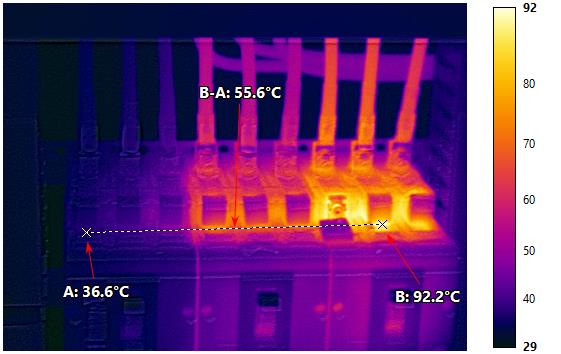
During a recent annual routine electrical thermal scan of a major industrial worksite, Thermal Scanners helped to locate and identify multiple major faults within the existing electrical infrastructure.  Some of these included excessive temperature located on Isolators, Circuit Breakers, Overload / Contactor setup and relays.  Thermal Scanners’ completes scanning of this site yearly, and due to the high level of power demands and usage, different components experience problems every year.  The previous year six faults were identified whereas during this year of scanning 13 faults were found.

High level fault on 250 Amp Isolator identified during Thermal Scanning

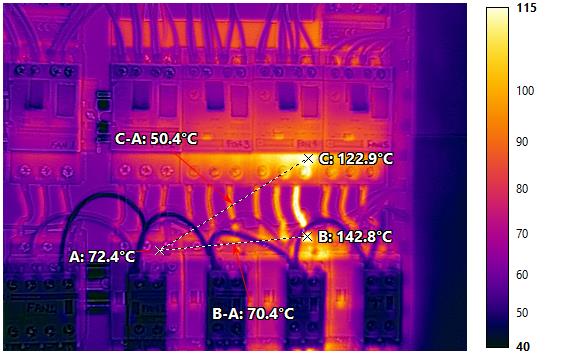
One of the major faults found on site was on an overloader / contactor setup which controls the fans for a crucial cooling stack.  If this cooling stack had broken, it would have caused a complete site shutdown while the fault was found, identified and rectified.  Further as the fault was at such a high range, the potential for an electrical fire was very real, which could have caused millions of dollars in damage.

High level fault on a overloader / contactor setup found during Thermal Scanning

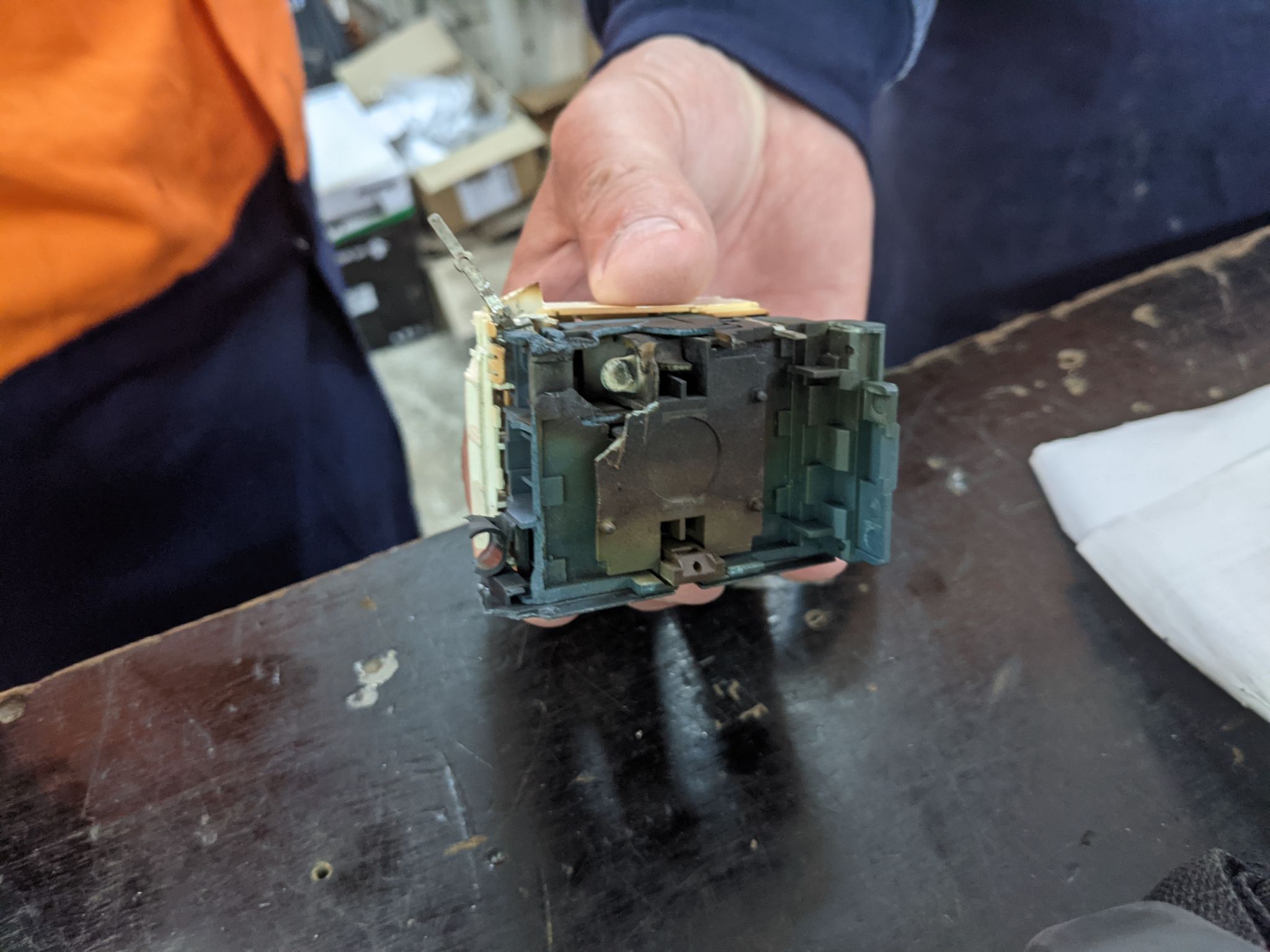
The temperature of the above overloader / contactor setup was causing excessive temperature in both of the adjacent components, which will reduce their lifespan and cause additional costs for maintenance and replacement.  Pictured below is the contactor which shows the inside of the component beginning to burn and melt the casing.

Inside of the contactor identified in the thermal scan above

Thermal Scanners were still on site after replacement of the component, as such we completed another scan on the affected electrical board. It was found that the problem had been resolved and the adjacent components were running at normal operating temperature. Due to the company utilising thermal scanning they were able to replace a faulty component that was going to experience imminent failure before causing a site wide shutdown.

Case study Solar Panel

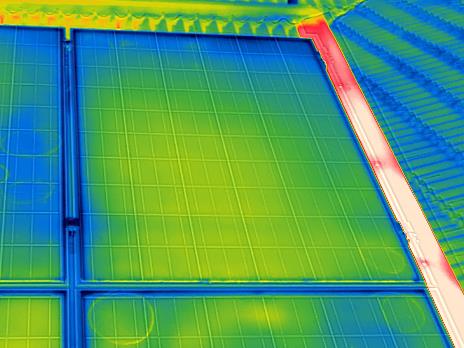
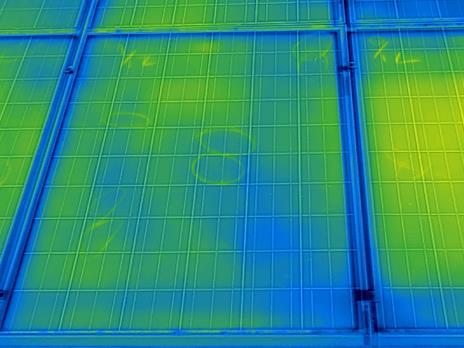
Thermal Scanning is able to detect faults with photovoltaic solar systems that can’t be picked up by the naked eye.  During adverse weather events such as hail or large winds, solar panels can become damaged causing damage to either individual solar cells, strings of cells or entire panels. Thermal Scanners were contracted to find faults on a small residential solar system as previous tradespeople had been unable to determine which panels were the problem.  When on site multiple panels had been marked due to minor cracking from the hail, these are shown by the coloured circles in the thermal images below.

Solar Panels Without Faults

Thermal Imaging Of solar panels without any faults detected

These thermograms show that during scanning there were no thermal faults detected on either of these panels even though a previous tradesperson had recommended replacement of both of these.  Problems appear on solar panels as either individual cells or a string of cells showing abnormal temperature compared to the rest.

Faulted Solar Panel

Thermal Imaging Of solar panels with a single faulty cell

The above image shows where a fault was identified on the residential solar system with an elevated temperature on a single cell.  In total Thermal Scanners identified two panels that had thermal faults whilst the tradesperson identified 8 – 10 panels.  This allowed the client to replace only the fault panels and have there solar system working at peak performance with the lowest cost to fix.

If you require scanning of your solar panels then please contact us for a no obligation quote today

Quantitative Thermography vs Qualitative Thermography?

There are two main types of thermal screening analysis that can be completed.  These are quantitative and qualitative, where quantitative aims to find the exact temperature of a component and qualitative compares similar components to find faults.  Most thermal surveys will be completed in a qualitative manner due to the additional technical hurdles involving emissivity which increase the associated costs. Certain fields of thermography lend themselves to qualitative inspections; especially electrical thermal scanning and mechanical thermal imaging, as there are similar components to compare each one to.  These technical hurdles include knowing the materials true emissivity, atmospheric conditions and utilising angles of incidence.

Is Qualitative accurate?

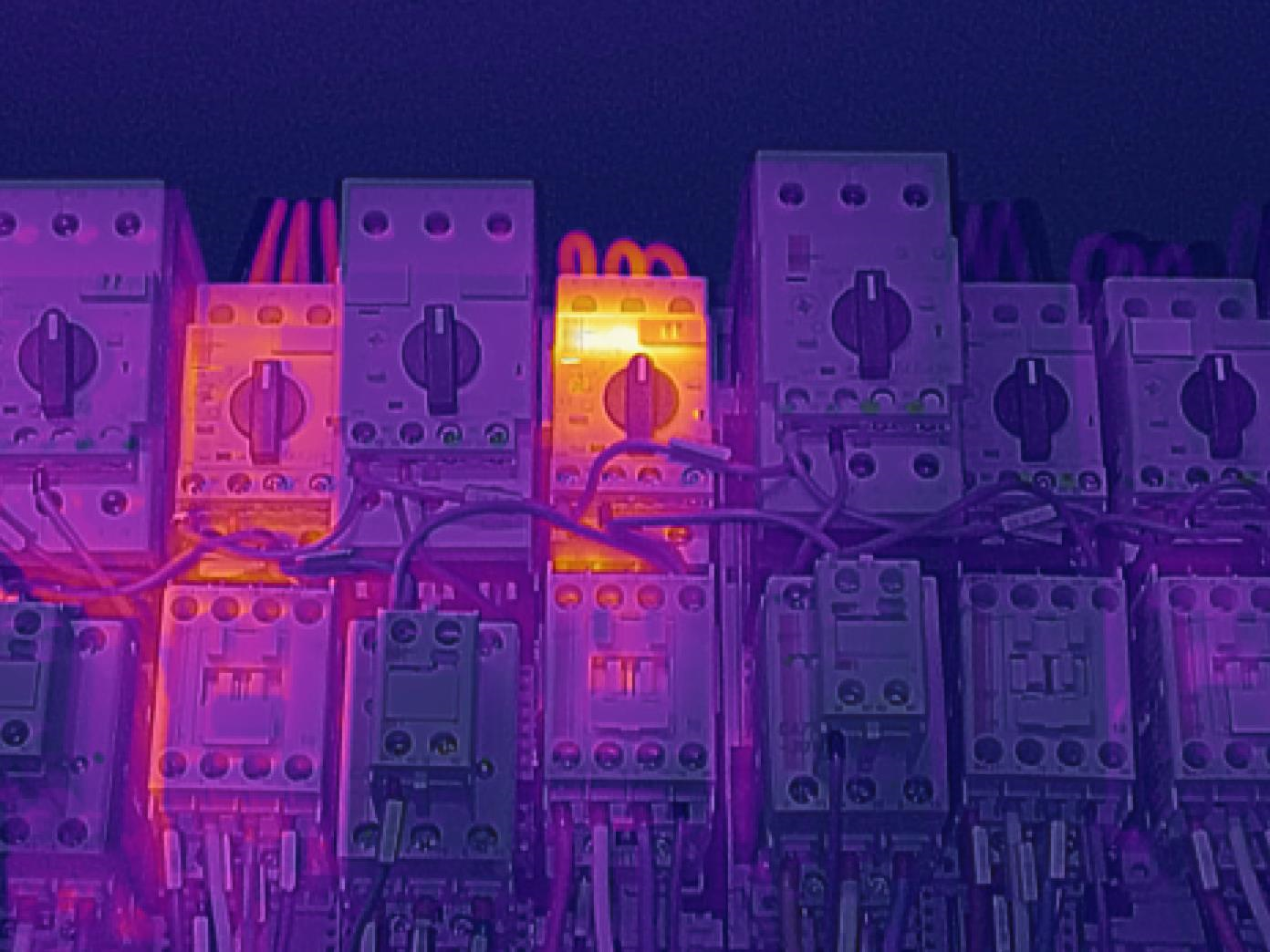
The simple answer is yes!  This is because when completing a thermal scan in a qualitative manner components are being compared to one another and the difference in operating temperatures is what is being considered.  Another way to consider this is that when looking at components in an electrical board (such as the photo below) the same components will all have the same emissivity and be under the same atmospheric conditions such that their baseline temperatures are all factored by the same amount.

thermography

Above is a qualitative analysis and as can be seen there is a very noticeable difference in temperature between the same components.  Showing that there is a fault on the centre component.

thermography

Why is Quantitative analysis so much more difficult?

When attempting to gather accurate temperature data, the exact atmospheric conditions present must be known such as; humidity, ambient temperature and reflected temperatures.  In addition the distance from the imager to the components must be known.  These are able to be gathered accurately through the assistance of other equipment such as anemometers (pictured right).  

However, the most important and hardest to account for is the materials emissivity.  This is because the emissivity of an object changes depending on various factors such as; what the component is made of, the components surface texture and even the exact temperature it is at.

How can thermographers account for all this?

Depending on the accuracy requirements thermographers can utilise emissivity tables which will give estimates for materials, (such as this one https://www.sika.net/images/Documents/Table_of_Emissivity.pdf).

As can be seen in the table, even aluminum can vary from .02 -> .40.

Luckily thermographers have another way to overcome these limitations, we can utilise other materials such as specialised high-emissivity tape or sprays which will bring the emissivity close to a more controlled value that is known. However this is usually a length process as the thermographer has to either apply the tape or spray to a component (which must be turned off!) or to an adjoining location and calculate the relative emissivity.

Case Study Electrical Hottest Fault

Thermal Scanners conduct hundreds of thermal scans per year at locations all around Australia. As such we are used to seeing faults regularly that surprise our clients. Sometimes the faults we find on site even shock us. This is because the faults can reach extreme temperatures that show failure is imminent.

Below we will show some of the highest temperature faults that we have found on a variety of sites, ranging from body corporates, private organisations and public buildings.

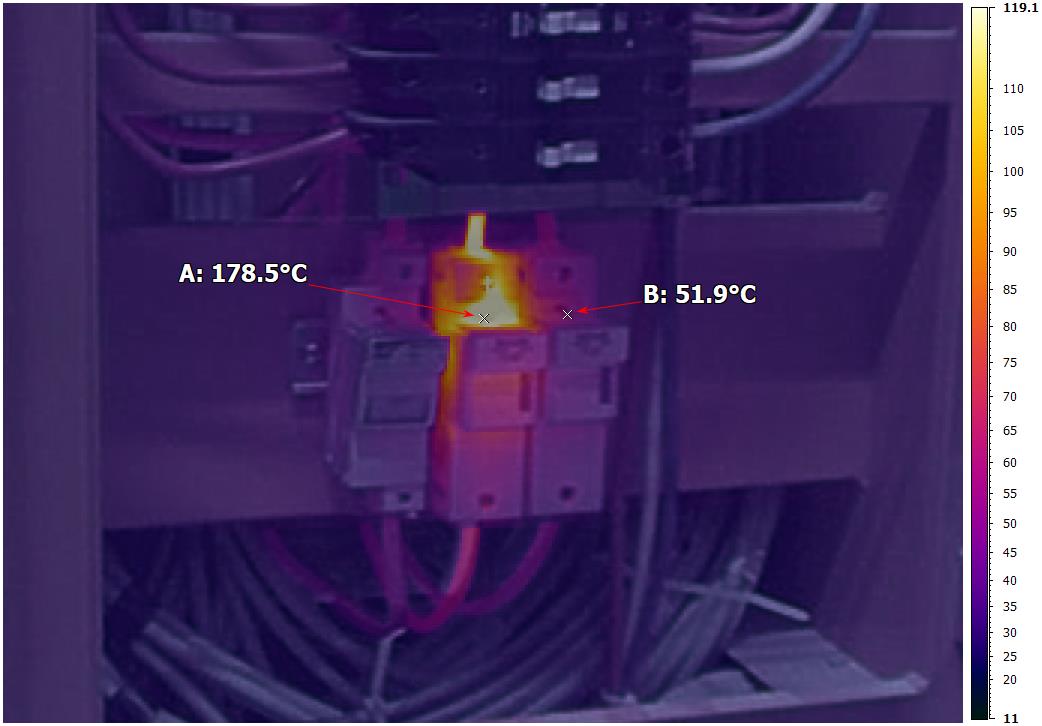
Fuse Holder above 100°C

Most often when we find thermal exceptions they appear on the terminations that connect to the cables.  However this fault extends to the actual component, in this case a fuse.  The fuse pictured below is designed to operate up to 80°C when there are no other fuses directly next to it.

Thermal fault on a fuse.

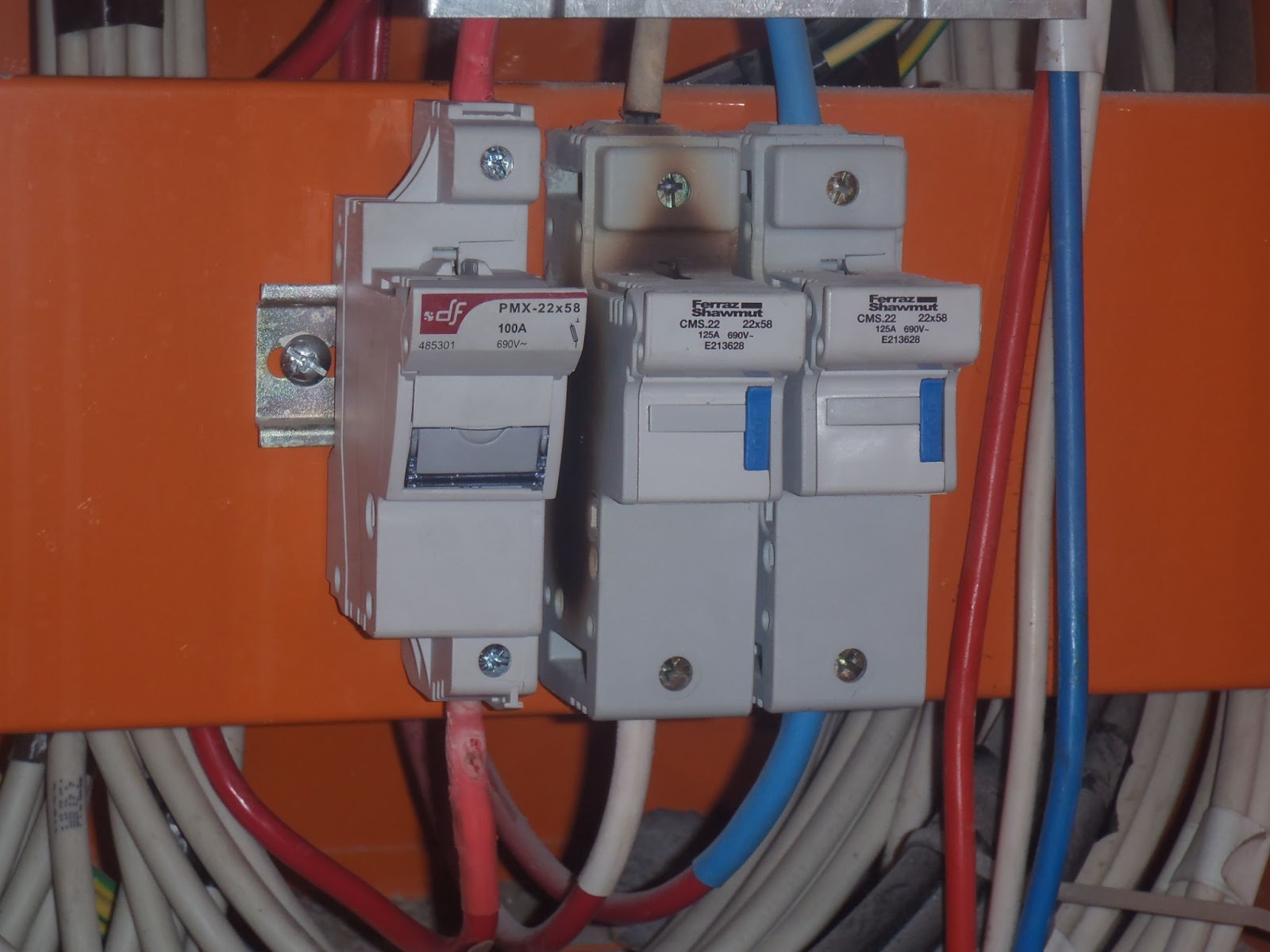
In this case the fuse is actually the hottest part and is operating well beyond its operating temperature, which potentially could have been life threatening as it has not tripped indicating there could be a problem in the circuit.  A visual image of this fault is shown below which shows the physical burns and damage to the fuse holder.

Even with the fuse burnt and damaged the circuit above is still live, active and complete!

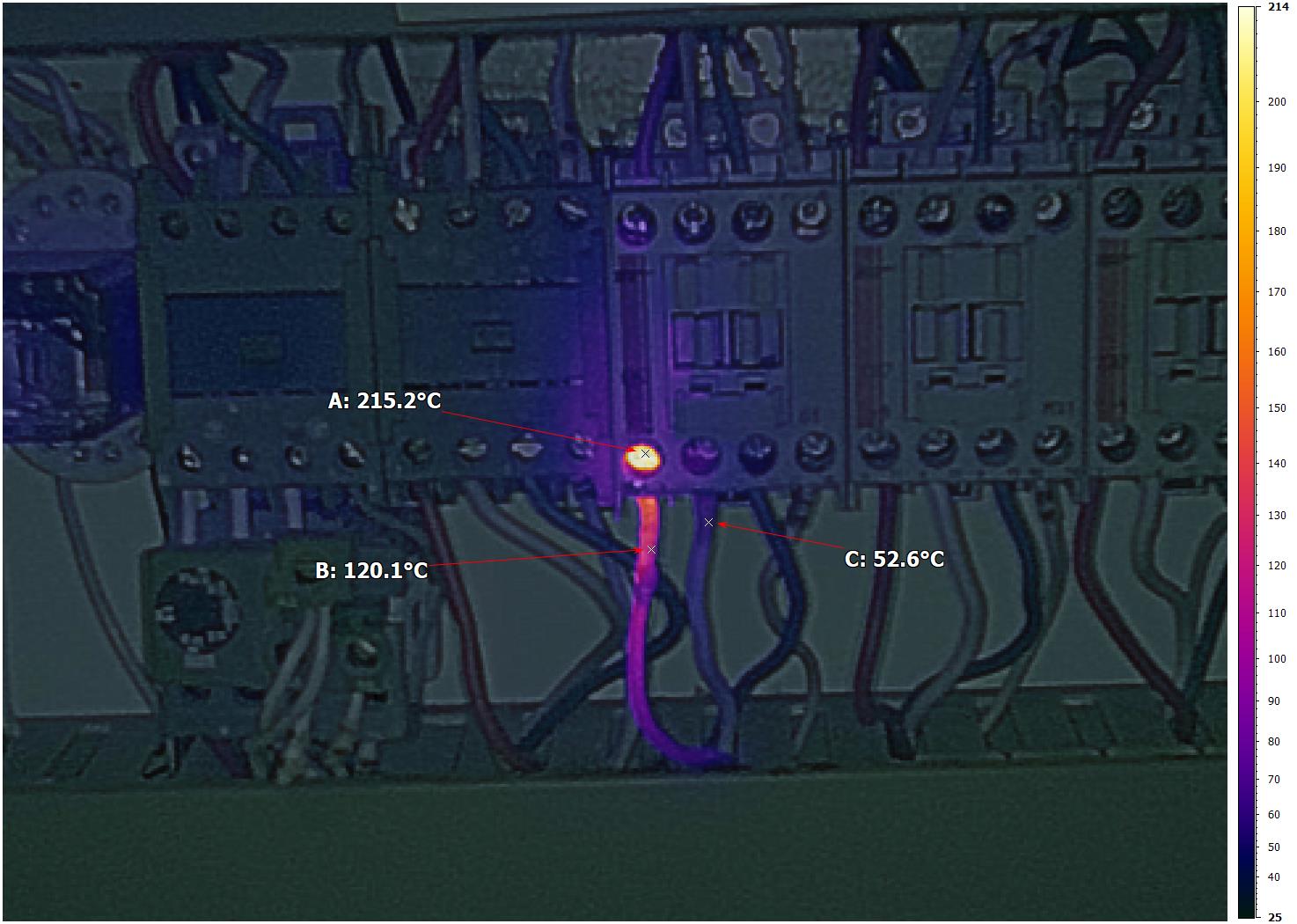
Contactor above 200°C

In our work Thermal Scanners has found that sometimes cables have been physically burnt or damaged and yet at the time of scanning there is no load and hence no excessive temperature.  In the follow photo this is not the case and the component is still under load and has burns far beyond the typical:

Thermal fault on contactor

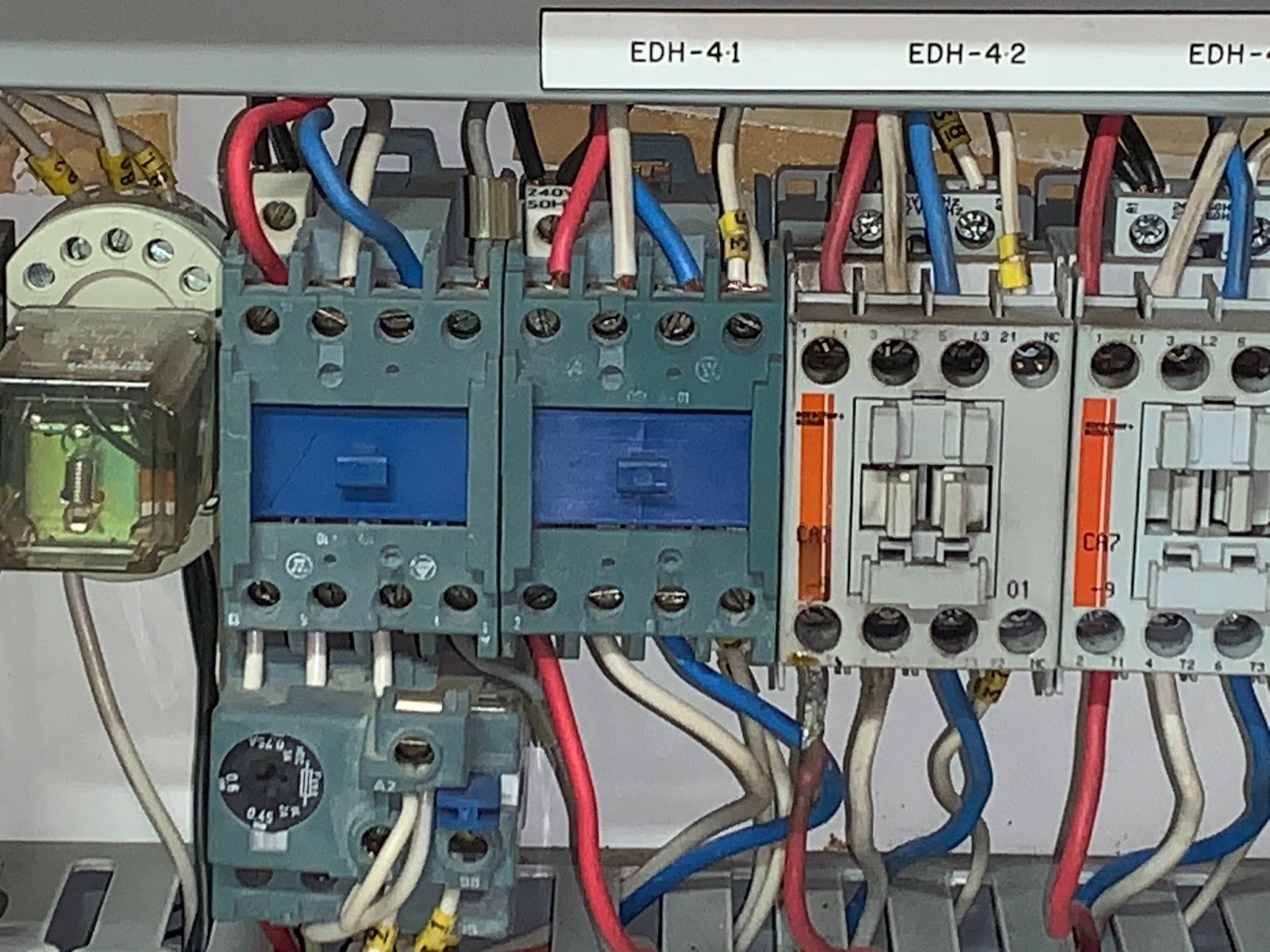
The above thermal image shows a maximum temperature in excess of 200°C and this is conservative due to our emissivity settings.  It can be seen that the cable is also above 100°C for a considerable length beyond the termination. Even the adjacent cable is affected by this heat!  To better show the effect of this increased heat we have also included a visual photo.

Visual photo of burns to cable

As can be seen the fault has actually caused the insulation on the cable to melt, exposing live electrical wires. Further it has begun to melt and damage the components outer casing.  If this fault was not detected an electrical fire may have resulted as soon as the next couple of days.

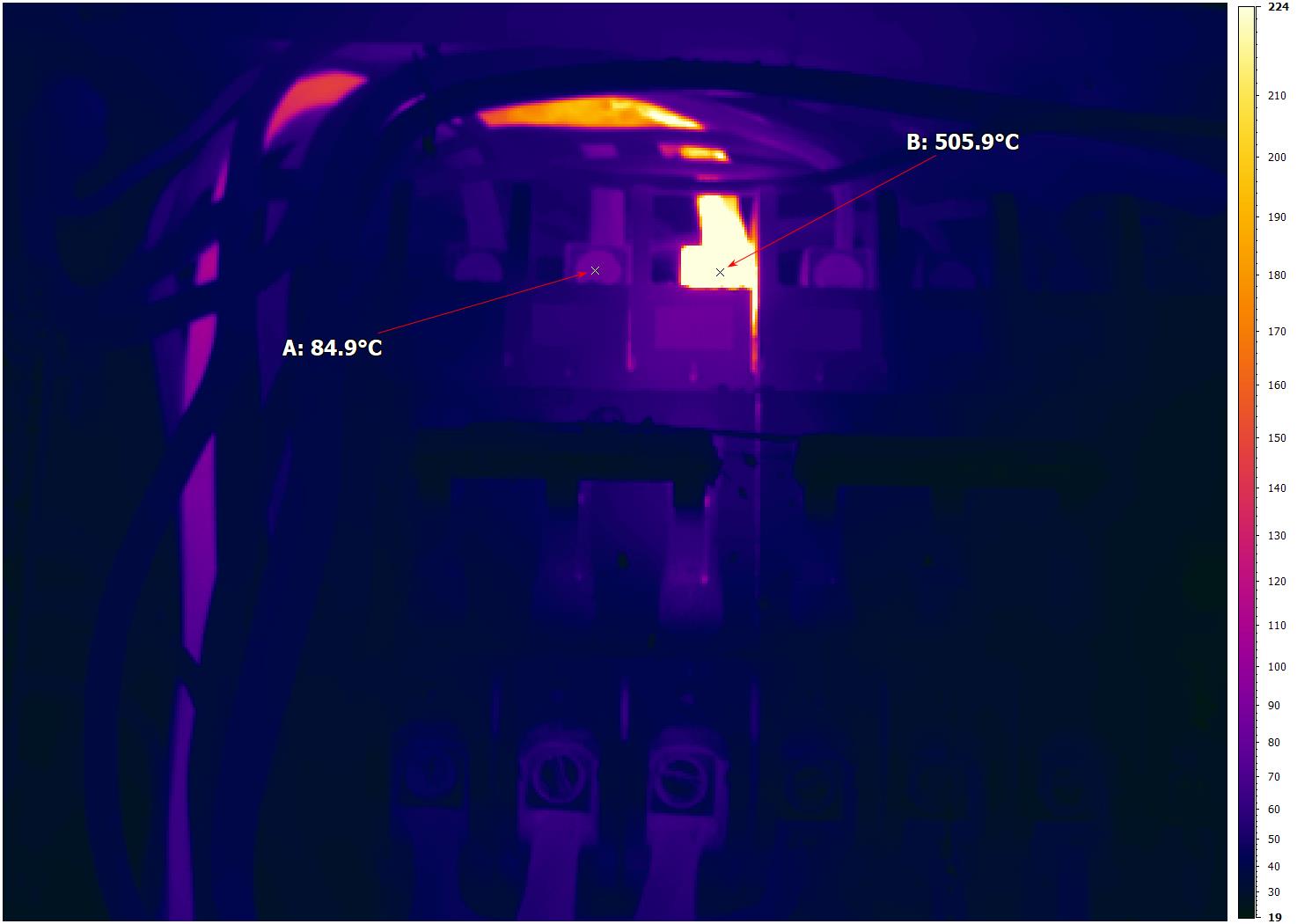
Circuit Breaker Above 500°C

In 2020 we completed Thermal Imaging on a customers commercial premise and during completion of the service we found a thermal exception on the wire and termination of a 3 phase circuit breaker. 

Thermal fault over 500°C on circuit breaker

Keep in mind that most circuit breakers have an operating temperature of up to 85°C including these ones manufactured by Heinemann.  With a maximum temperature in excess of 500°C this circuit breaker is operating at almost 6x its maximum recommended temperature and will almost certainly cause an electrical fire!

We hope that seeing some of these faults helps individuals and companies understand why annual thermal imaging is required on switch boards.  If any of the above faults were not detected these could have easily caused large scale loss of power and even caused an electrical fire in the immediate future with serious ramifications.