Case Study: Inspecting and Fixing a Circuit Breaker

Overview:

A Sydney-based company asked Thermal Scanners to check their electrical equipment due to occasional power outages. They wanted to prevent any electrical issues causing downtime or expensive repairs. Our expert came to the site and thoroughly examined the business’s electrical systems using electrical thermal inspection technology.

Finding the Issue:

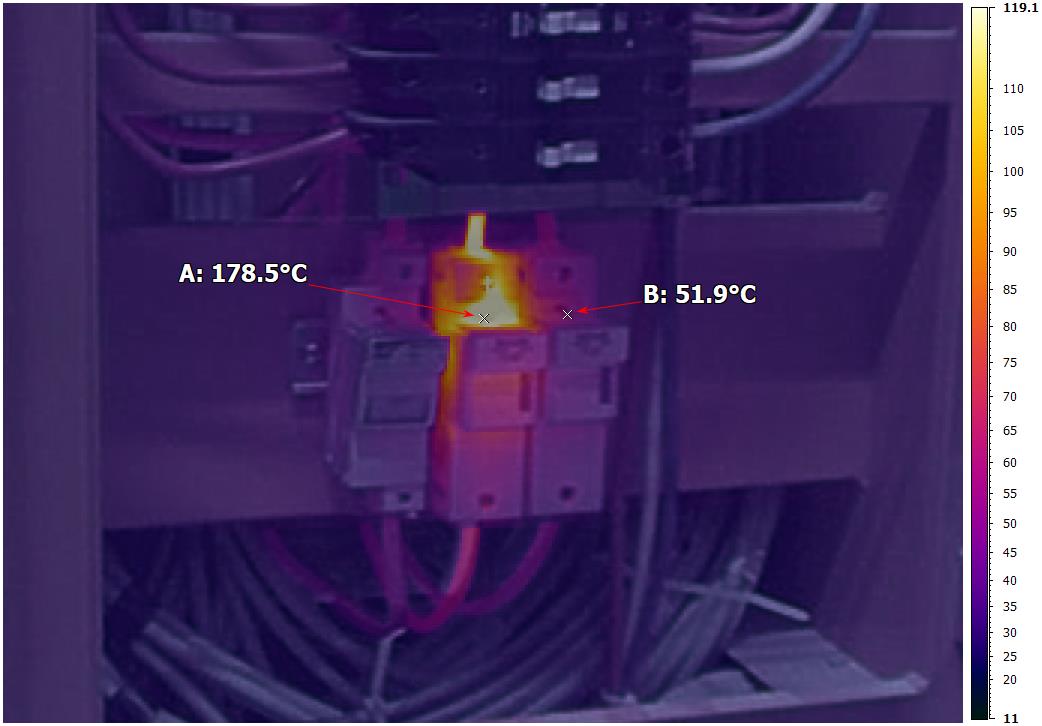
The expert found a heat-related problem with a circuit breaker in an electrical panel during the inspection (see image below). Using a thermal imager, they discovered an unusually high temperature, which showed the circuit breaker’s cable connection was getting too hot. The expert informed the maintenance manager and suggested an immediate fix to prevent further damage or safety risks.

Sub-board electrical panel showing thermal fault at circuit breaker cable connection

Repairing the Problem:

The business manager approved the repair, and an on-site electrician quickly addressed the issue. After examining the circuit breaker, the electrician found a loose connection causing the heat problem. They tightened the connection and tested the circuit breaker to ensure it worked properly.

Verifying the Fix:

The expert performed another thermal inspection 20 minutes later and confirmed that the issue was resolved. The thermal imager showed a normal temperature, meaning the circuit breaker was no longer overheating. Thermal Scanners gave the business owner a detailed report of the repair, including before and after thermal images, and suggestions for maintaining the system to prevent future issues.

Sub-board electrical panel showing thermal fault at circuit breaker cable connection

Conclusion:

This case study highlights the value of regular electrical thermal inspections to find potential problems and avoid costly downtime or safety risks. Detecting and quickly fixing the heat issue in the circuit breaker prevented more damage and safety hazards. The business owner was pleased with the inspection and repair process and now knows their electrical systems are working well and efficiently. Thermal Scanners serves many clients across different industries in the Greater Sydney area.

Contact us for a free quote today.

Case Study Electrical Hottest Fault

Thermal Scanners conduct hundreds of thermal scans per year at locations all around Australia. As such we are used to seeing faults regularly that surprise our clients. Sometimes the faults we find on site even shock us. This is because the faults can reach extreme temperatures that show failure is imminent.

Below we will show some of the highest temperature faults that we have found on a variety of sites, ranging from body corporates, private organisations and public buildings.

Fuse Holder above 100°C

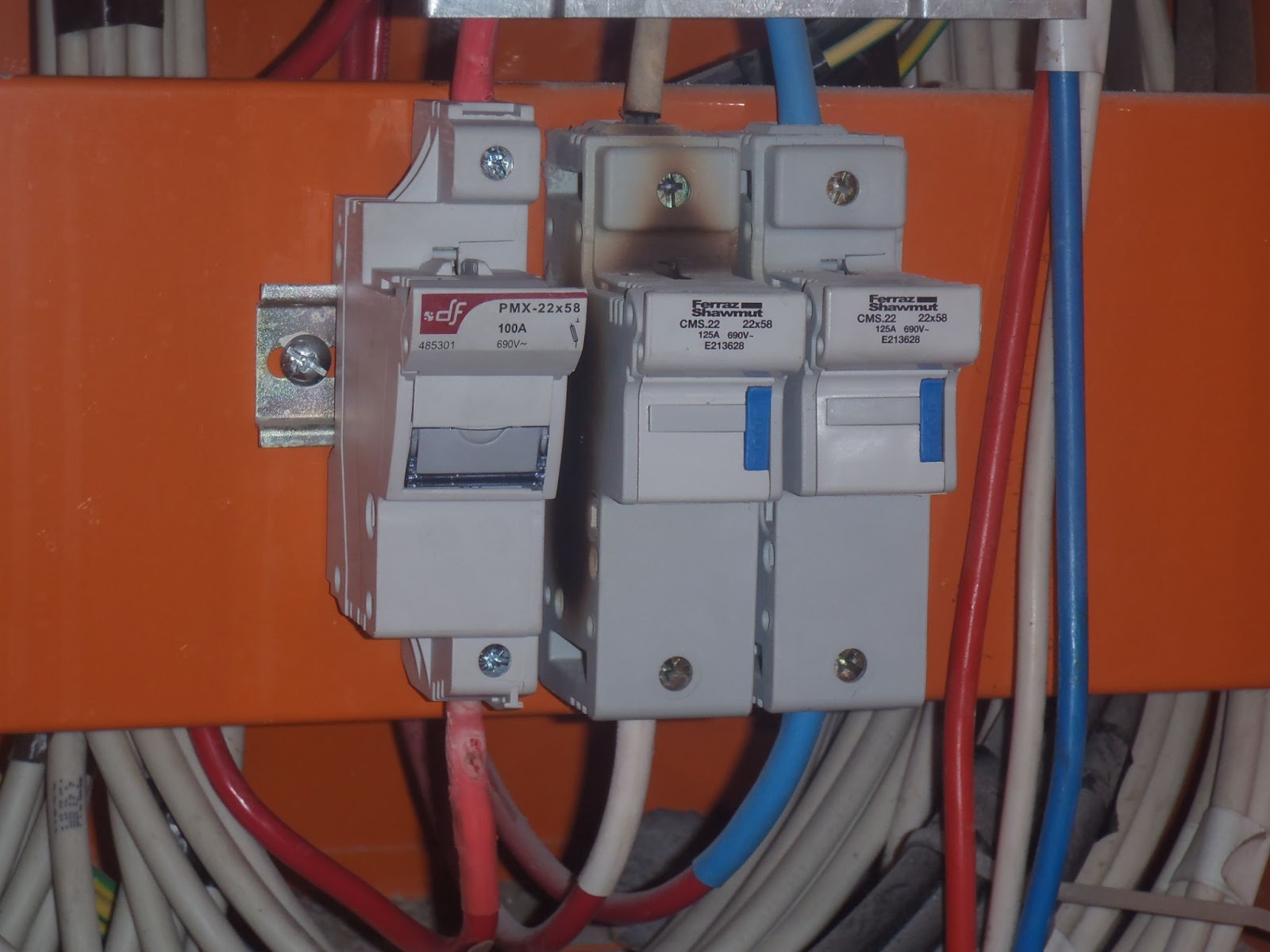
Most often when we find thermal exceptions they appear on the terminations that connect to the cables.  However this fault extends to the actual component, in this case a fuse.  The fuse pictured below is designed to operate up to 80°C when there are no other fuses directly next to it.

Thermal fault on a fuse.

In this case the fuse is actually the hottest part and is operating well beyond its operating temperature, which potentially could have been life threatening as it has not tripped indicating there could be a problem in the circuit.  A visual image of this fault is shown below which shows the physical burns and damage to the fuse holder.

Even with the fuse burnt and damaged the circuit above is still live, active and complete!

Contactor above 200°C

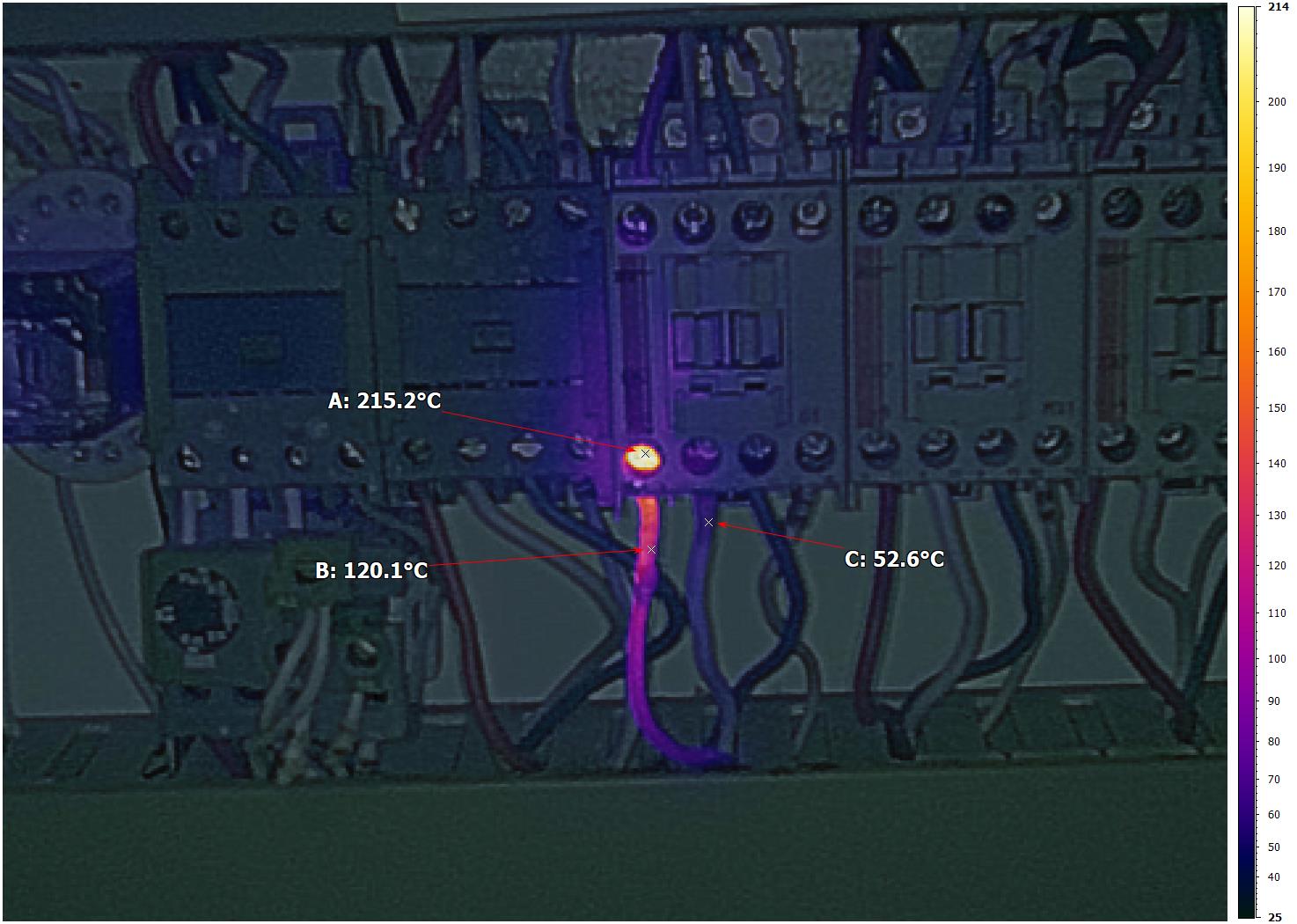
In our work Thermal Scanners has found that sometimes cables have been physically burnt or damaged and yet at the time of scanning there is no load and hence no excessive temperature.  In the follow photo this is not the case and the component is still under load and has burns far beyond the typical:

Thermal fault on contactor

The above thermal image shows a maximum temperature in excess of 200°C and this is conservative due to our emissivity settings.  It can be seen that the cable is also above 100°C for a considerable length beyond the termination. Even the adjacent cable is affected by this heat!  To better show the effect of this increased heat we have also included a visual photo.

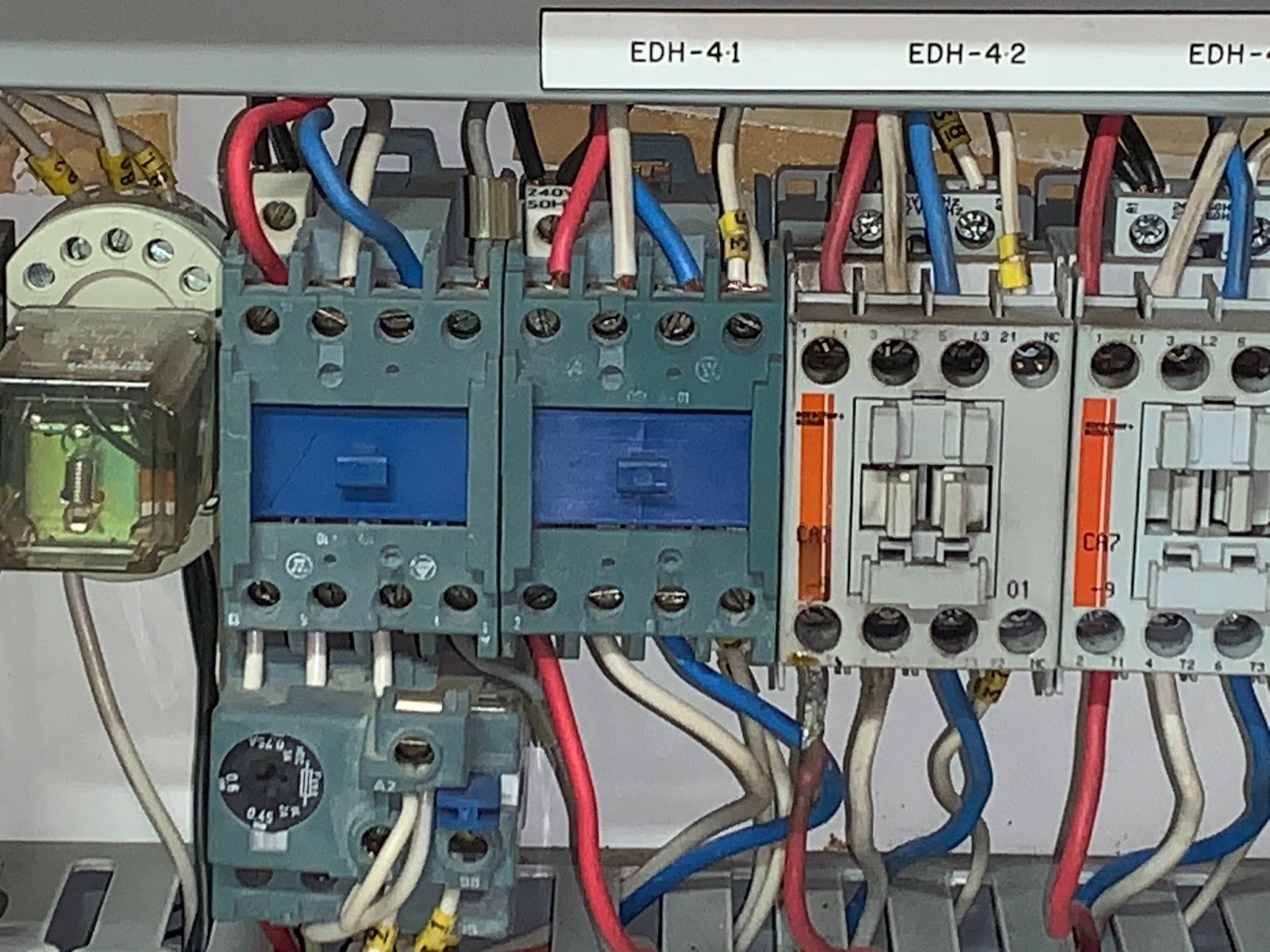
Visual photo of burns to cable

As can be seen the fault has actually caused the insulation on the cable to melt, exposing live electrical wires. Further it has begun to melt and damage the components outer casing.  If this fault was not detected an electrical fire may have resulted as soon as the next couple of days.

Circuit Breaker Above 500°C

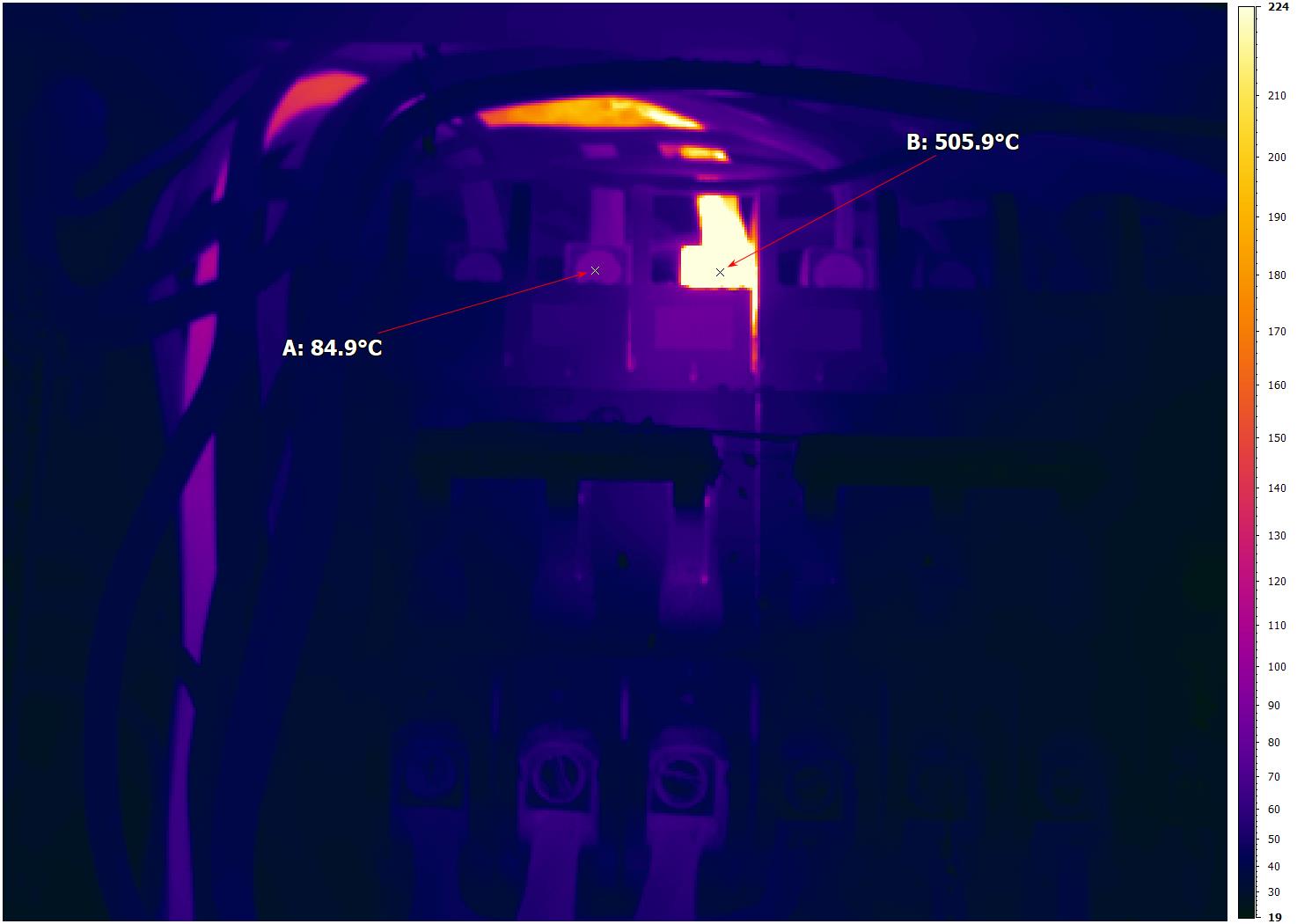
In 2020 we completed Thermal Imaging on a customers commercial premise and during completion of the service we found a thermal exception on the wire and termination of a 3 phase circuit breaker. 

Thermal fault over 500°C on circuit breaker

Keep in mind that most circuit breakers have an operating temperature of up to 85°C including these ones manufactured by Heinemann.  With a maximum temperature in excess of 500°C this circuit breaker is operating at almost 6x its maximum recommended temperature and will almost certainly cause an electrical fire!

We hope that seeing some of these faults helps individuals and companies understand why annual thermal imaging is required on switch boards.  If any of the above faults were not detected these could have easily caused large scale loss of power and even caused an electrical fire in the immediate future with serious ramifications.