
RCD Push-Button Testing
- Qualified technicians 30 years experience
- No interruption to operations
- Inspect under normal operating conditions
- Detailed insurance compliant reports
- RCD testing also available
- Maximise safety, minimise disruptions
Book an inspection
Push-Button Safety Switch Testing for Australian Workplaces
Residual Current Devices (RCDs), also known as safety switches, are installed to protect electrical circuits and equipment. These switches disconnect all power sources within milliseconds when electrical leakages or imbalances between neutral and live wires are detected, minimising the risk of shocks or fires.
Regular RCD testing ensures that these switches function properly, protecting both personnel and property. At Thermal Scanners, our certified technicians provide professional RCD push-button testing services nationwide that comply with Australian Standards (AS/NZS 3760:2022).
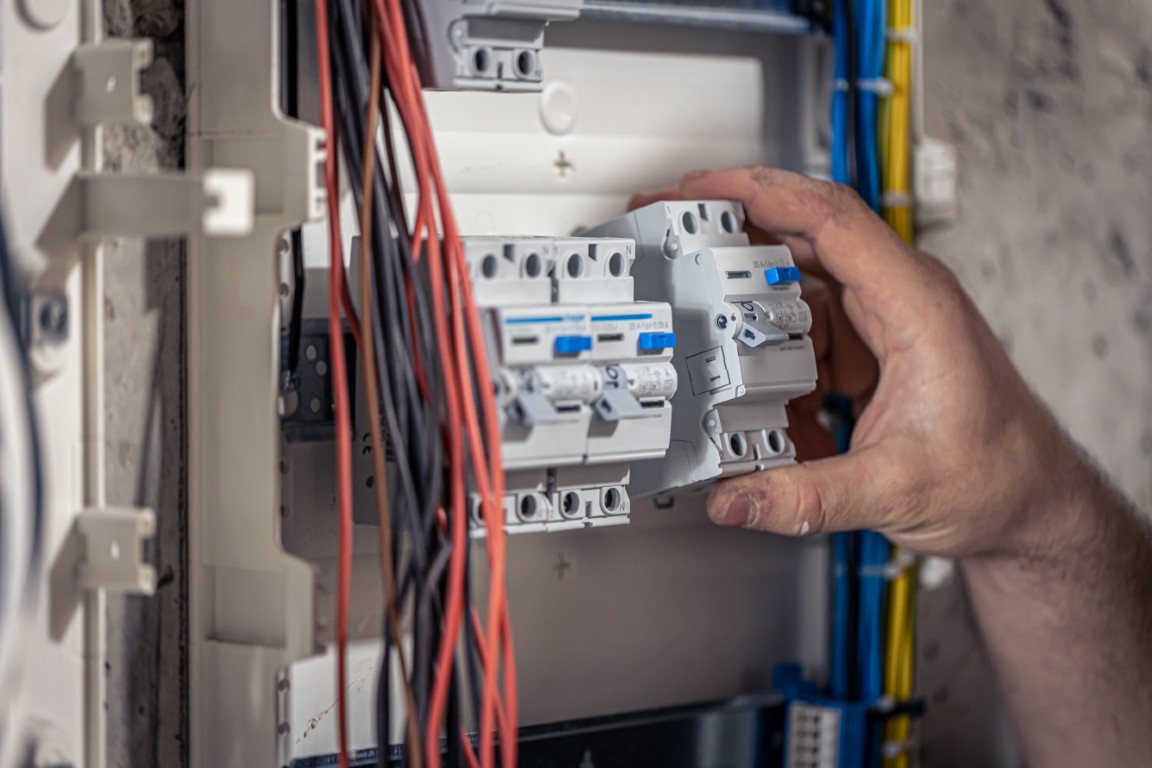
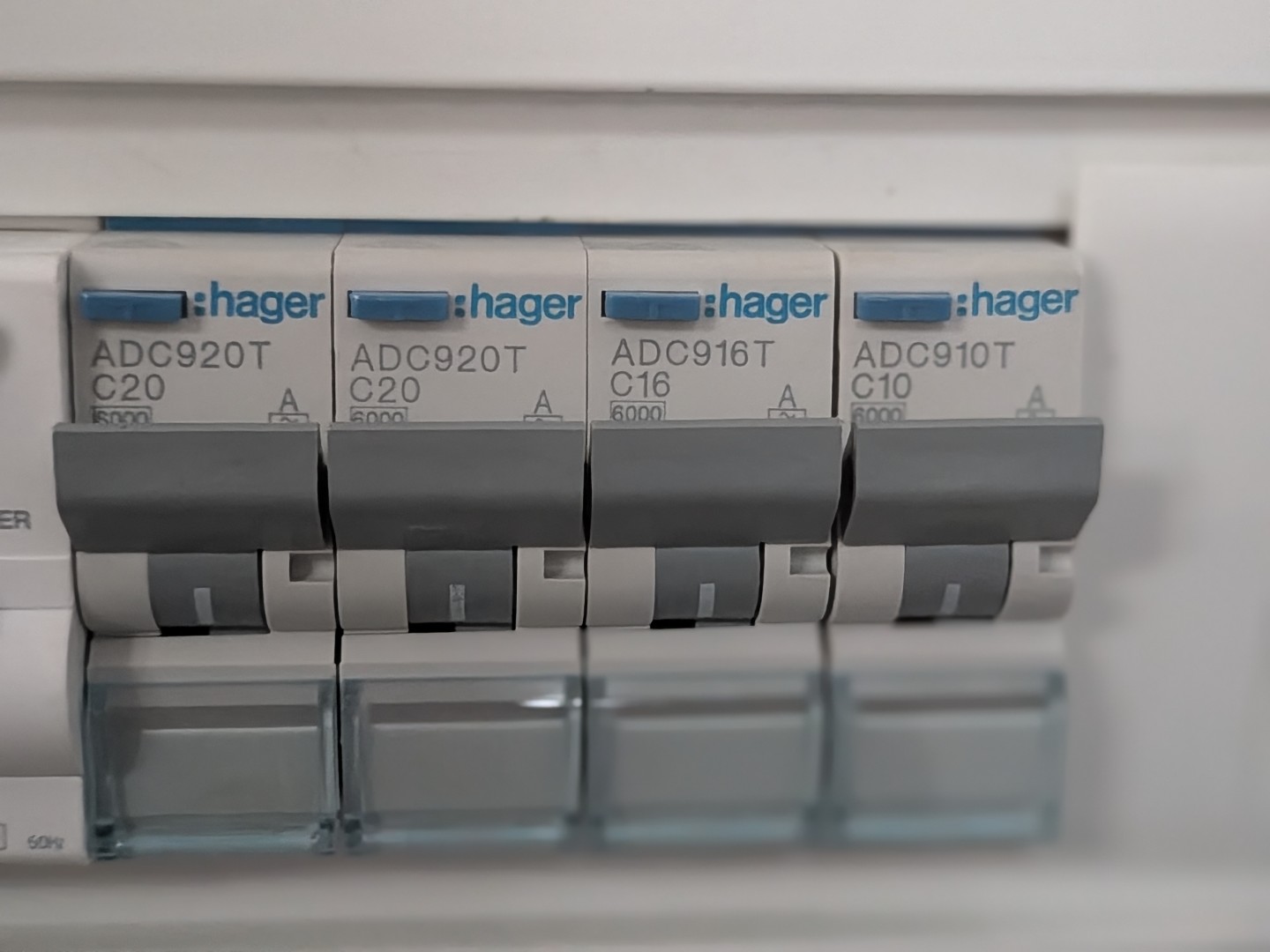
Push-Button Safety Switch Testing for Australian Workplaces
Residual Current Devices (RCDs), also known as safety switches, are installed to protect electrical circuits and equipment. These switches disconnect all power sources within milliseconds when electrical leakages or imbalances between neutral and live wires are detected, minimising the risk of shocks or fires.
Regular RCD testing ensures that these switches function properly, protecting both personnel and property. At Thermal Scanners, our certified technicians provide professional RCD push-button testing services nationwide that comply with Australian Standards (AS/NZS 3760:2022).
Book a RCD test
Verify your RCD's performance with regular, professional push-button testing. Get in touch with our team now to schedule a test and ensure safety and compliance.
RCD Push-Button Test Frequency
RCD push-button test intervals vary under AS/NZS 3760 and the WHS Code of Practice. Higher-risk environments, such as construction sites, need to be tested more often than offices. While six-monthly testing is a common baseline for low-risk commercial settings, our technicians will confirm an appropriate schedule for your site during their first visit.
Frequent testing ensures that RCDs are fully operational and will protect against electrical faults in the event of an emergency. They also reduce the risk of fines or liability in the event of an electrical incident.
For industry-specific guidance, detailed information on recommended testing frequencies, and tailored maintenance schedules, explore our RCD testing page.
The RCD Push-Button Testing Process
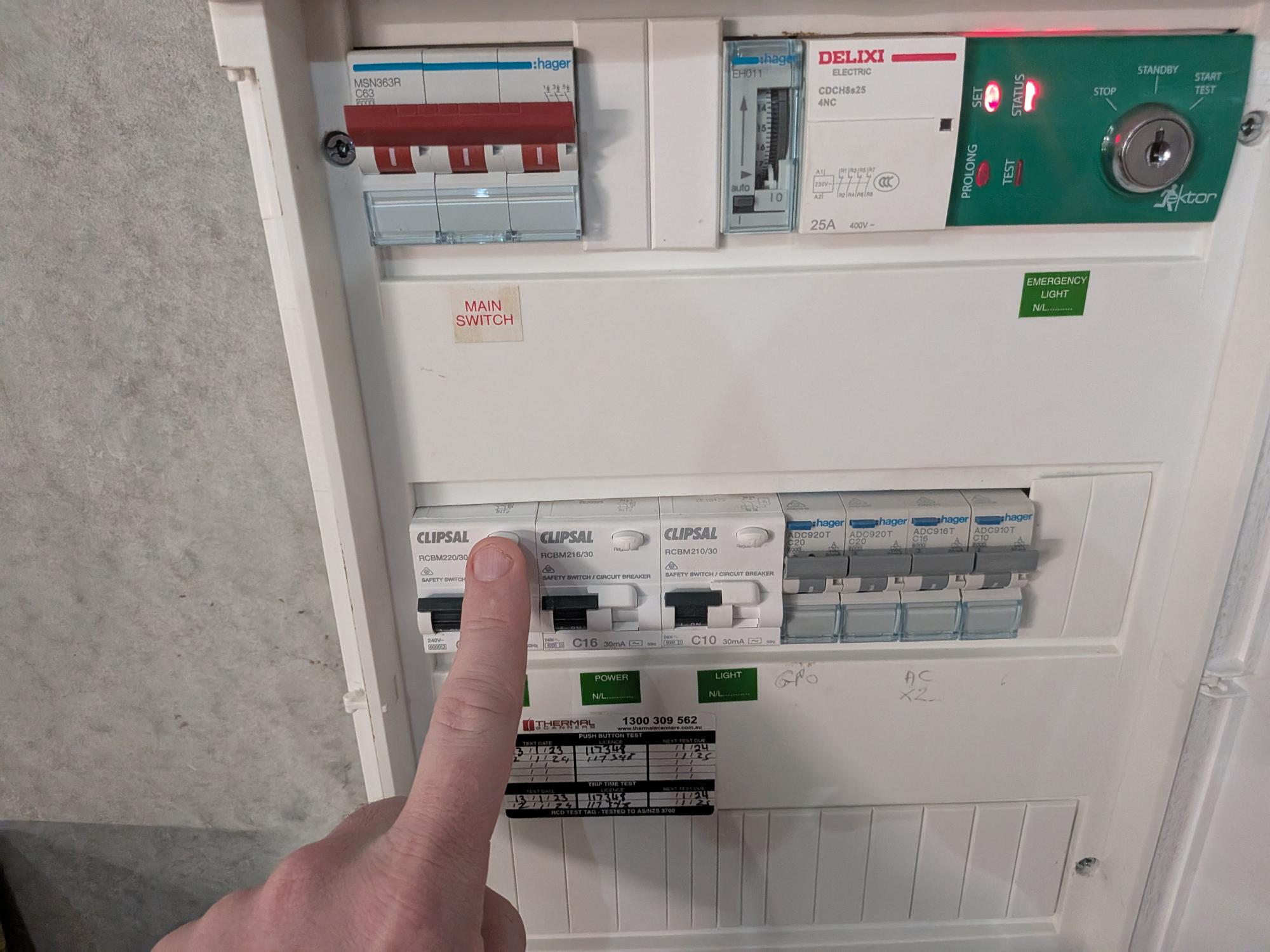
RCD push-button testing is a relatively simple, low-risk procedure. Businesses should complete it frequently to verify functionality and safety. While the button test can be done internally, it’s recommended to have a certified technician inspect RCDs at scheduled intervals. Conducting safe and accurate RCD push-button testing involves:
- Turning off sensitive equipment before testing to avoid unexpected interruptions.
- Inspecting the RCD for signs of damage to the wiring or button.
- Simulating a fault by quickly pressing the "T" or "Test" button on the RCD to cut off the power supply.
- Documenting all test results, including test time and any issues found, to ensure full compliance.
If the RCD fails this test, it indicates that a qualified electrical repair is required as soon as possible. Bypassing or ignoring a faulty RCD poses a serious safety risk to your property and personnel.
How Often Should RCDs be Push-Button Tested?
RCD push button tests are required to be completed every six months, regardless of site type. Frequent testing is essential to verify that your Residual Current Devices (RCD) are fully operational and will protect against electrical faults in the event of an emergency. Moreover, routine tests are the best way to maintain compliance with Australian Standards (AS/NZS 3760:2022) to reduce your risk of fines, penalties, or liability in the event of an electrical incident.
For industry-specific guidance, detailed information on recommended testing frequencies, and tailored maintenance schedules, explore our RCD Testing page.
RCD Standards and Compliance Requirements
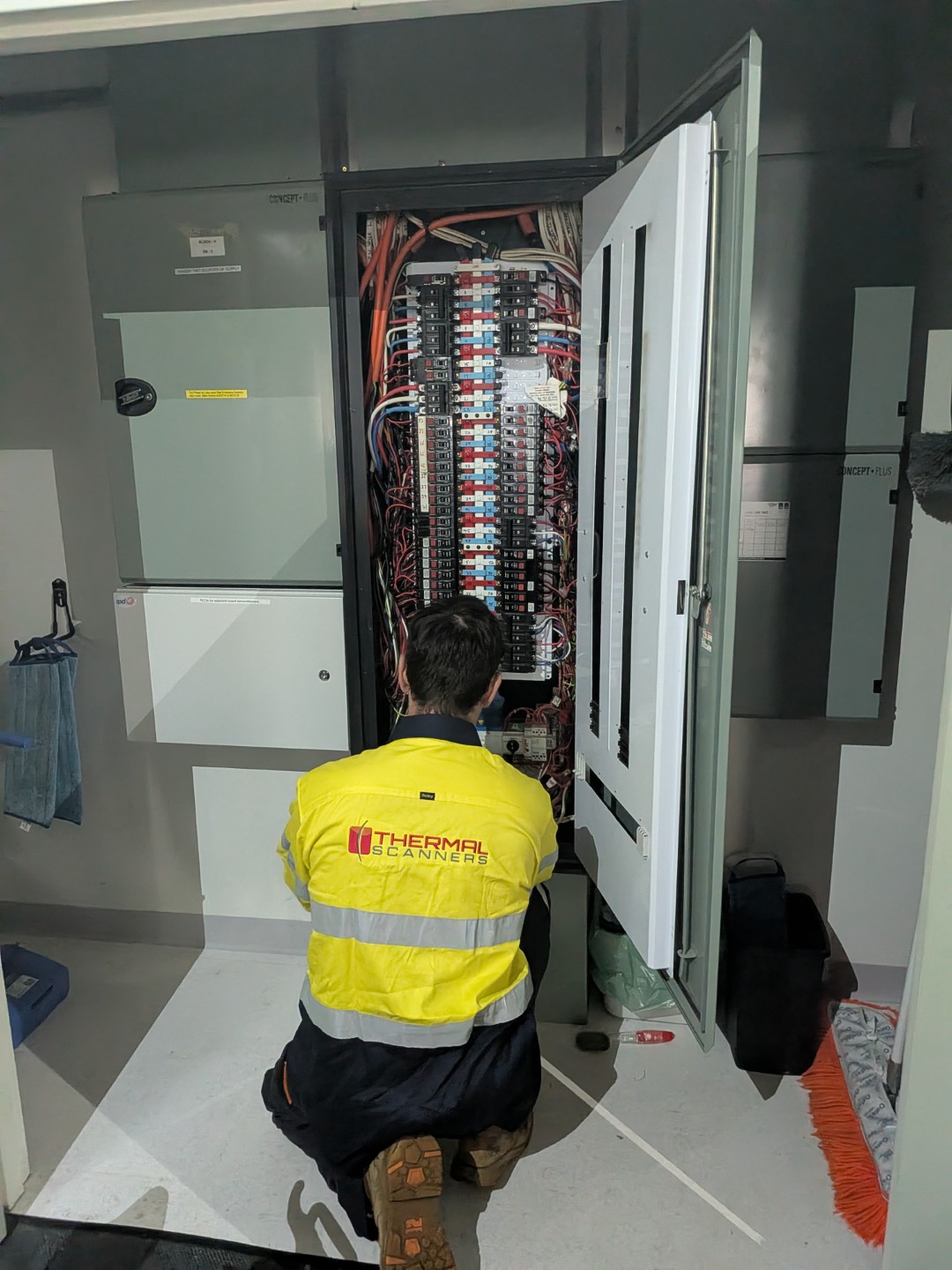
Australian Standard (AS/NZS 3760:2022) outlines a comprehensive framework for the safety and compliance of electrical equipment, including RCDs. These standards are designed to keep industrial facilities and their occupants safe from electrical shocks and fires. The WHS framework and Safe Work Australia Code of Practice outline best practices for managing electrical risks. Under these guidelines, RCDs used at workplaces must be tested regularly by a competent person to confirm they are working effectively and maintain compliance, requiring:
Proper testing
Thorough inspections, push-button tests and trip tests.
Frequent testing
Testing of commercial equipment at intervals determined by the demands of the operating environment.
Detailed documentation
Detailed documentation of the testing date, results and tester details
Qualified personnel or electricians
ests to be conducted by qualified personnel or electricians.
Why Choose Thermal Scanners for RCD Push-Button Tests?
At Thermal Scanners, we are dedicated to helping Australian businesses protect their personnel and commercial assets. Our push-button safety switch testing services make electrical compliance simple, satisfying the requirements of relevant legislation with reports that include detailed, prioritised recommendations for repairs.
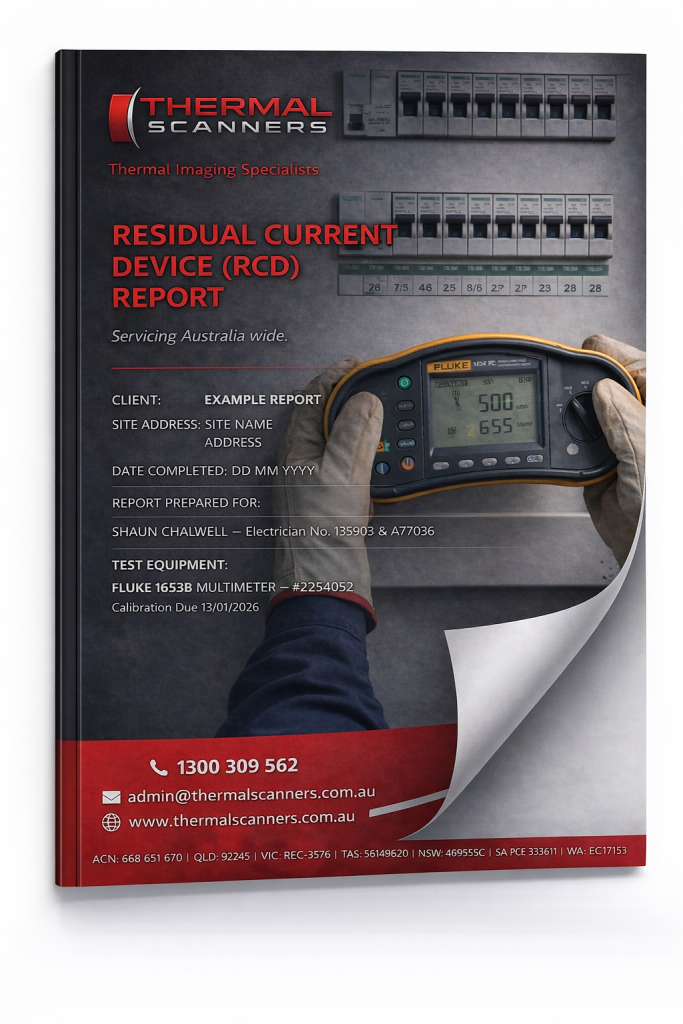
Our experienced technicians will carry out testing at the required intervals and provide a detailed report upon completion that details:
- A clear and thorough scope of works
- Comprehensive details for each RCD, including:
- Location
- Class
- Push-button trip outcomes (with any failures clearly highlighted)
- Testing date
- Additional comments
- Electrician qualifications
- A Certificate of Testing and Compliance
Contact us today to schedule an RCD push-button test on your electrical equipment.
Safeguard Against Electrical Faults with RCD Push Button Testing
Don’t take chances with electrical safety! Stay proactive and maintain highly functional and compliant RCDs with frequent, professional bush button tests. Contact us today to schedule an inspection and test to protect your business and personnel.
FAQs
What does an RCD push-button test check?
Pressing the test button confirms that the Residual Current Device (RCD) mechanically trips and disconnects power when activated. It does not measure how quickly the device responds to a fault. Professional RCD testing also measures whether the device disconnects within the required trip time.
Can our own staff do push-button safety switch tests?
Yes. The button press itself does not require a licensed electrician to carry out. However, WHS regulations require RCDs to be tested regularly by a specialist, with the results documented using compliant methods. For this reason, most sites schedule professional testing for anything more involved than testing whether a push-button safety switch works.
What happens if an RCD fails the push-button test?
The circuit it protects should not be relied on until the fault has been investigated. The RCD must be inspected and either repaired or replaced by a licensed electrician. The failure and subsequent repair must also be recorded within your compliance documentation.