
Partial Discharge Detection & High Voltage Testing
- Qualified technicians 30 years experience
- No interruption to operations
- Inspect under normal operating conditions
- Detailed insurance compliant reports
- RCD testing also available
- Maximise safety, minimise disruptions
Book an inspection
Protect High-Voltage Equipment with Partial Discharge Detection
High-voltage (HV) electrical equipment is essential in a range of industries, but it’s vulnerable to partial discharge (PD) from internal insulation faults. Left unchecked, these faults can lead to damage and equipment failure, costing your business both time and money. On-line partial discharge testing can identify faults before visible signs appear, helping you prevent extensive damage and keep operations running smoothly.
At Thermal Scanners, our licensed technicians specialise in ultrasound, thermal and Transient Earth Voltage (TEV) detection for electrical infrastructure. We identify and diagnose faults using the latest technology, providing you with a clear, actionable report to prioritise repairs. Contact us today to schedule a partial discharge scan.


Partial Discharge Testing Explained
By the time you notice your electrical infrastructure making crackling noises or sparks, it’s often too late to prevent critical damage to it.
Utilising processes such as ultrasound detection, thermal scanning and TEV detection, PD testing detects localised electrical discharges within insulation that do not fully bridge the gap between conductors, an early warning sign of deterioration in high voltage assets. Catching these faults early prevents damage to high-voltage electrical equipment.
PD Detection Methods
Our PD detection services are the best way to identify hidden electrical issues in HV electrical equipment before they become safety or productivity hazards.

Ultrasonic PD Detection
Ultrasonic partial discharge detection is a diagnostic technique used to monitor the condition of electrical equipment. Partial discharges are small electrical sparks that occur within the insulation of transformers, generators, switchgear and termination locations, or as corona discharge into the air. They can be a precursor to electrical failures. These discharges emit ultrasonic waves, which are sound waves at frequencies above the range of human hearing. Using an ultrasonic partial discharge detector and sensors, we can capture these high-frequency sounds. When PD occurs, it releases ultrasonic energy, which we analyse to determine the presence and severity of the issue.

Thermal Scanning
Even minor partial discharges produce enough heat to increase the temperature of the surrounding insulation or conductive components. Using electrical thermal imaging cameras and infrared (IR) sensors, we scan electrical equipment from the outside and detect the infrared radiation emitted by heated objects to identify heat sources where they should not be.
Thermal scanning is performed exclusively on external panels and switchboards of electrical equipment, as Australian law does not permit high voltage equipment to be opened while energised. This approach ensures full legal compliance while still providing valuable diagnostic information.

Transient Earth Voltage (TEV) Detection
This method focuses on capturing transient voltage signals emitted by partial discharges as they occur within the electrical insulation. TEV PD detection is particularly effective for assessing the condition of metal-clad switchgear and identifying internal void defects in in-cable insulation or other enclosed electrical apparatus. TEV detection is an invaluable tool in preventative maintenance programs, extending the life of electrical equipment by detecting PD issues early.
Book an inspection
Protect against dangerous and costly partial discharge issues with early detection. Contact our experts now to schedule a comprehensive PD detection and thermal scanning service.
Combined High Voltage Testing Services
Thermal Scanners’ PD detection services form part of a more thorough assessment of your high- and low-voltage systems.
. These proactive solutions not only give you a clear picture of your electrical health but also unlock a host of business benefits, including:
- Ultrasonic, thermal and TEV services are combined into one inspection, saving time and money.
- All testing is performed on energised equipment under normal operating conditions, so operations continue without interruption.
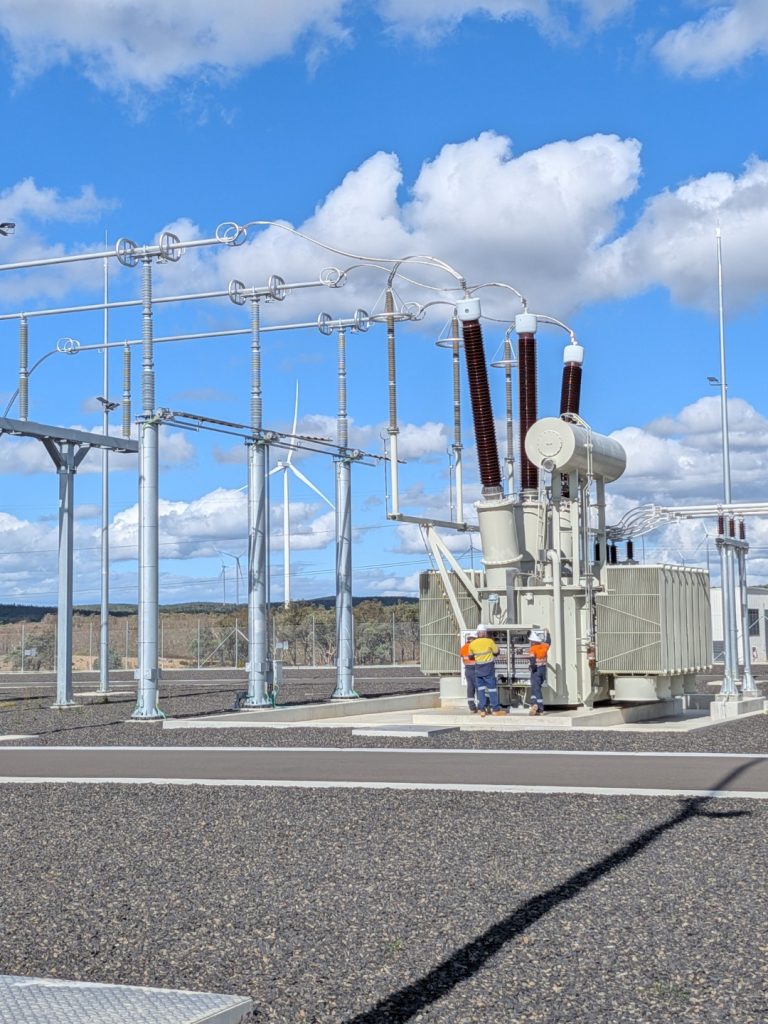
- Our high voltage testing services are comprehensive, assessing switchgear, transformers, cables, busbars and enclosed switchboards.
- Each inspection produces a detailed report with findings ranked by priority and recommendations for repairs.
- Inspections are scheduled around your daily operations to minimise disruption.
Why Choose Thermal Scanners for PD Detection?
The experienced team at Thermal Scanners is committed to helping businesses protect their assets by delivering high-quality thermal imaging and PD detection solutions throughout Australia.
Our qualified technicians scan your equipment using the latest technology and supply their findings in a report that can be used to comply with insurance obligations. It includes:
- Detailed scope of works
- Thermal and visual images of all exceptions, including:
- Location
- Date and time
- Priority rating
- Possible causes
- Qualification of the thermographer
Early detection is the best way to avoid PD issues. Contact us today to schedule a combined PD detection and thermal scanning service that will keep your electrical equipment safe and functional.
Safeguard Your Assets with Accurate PD Detection
Don’t wait for a silent breakdown or a visible warning sign! Early detection is your safeguard against dangerous and costly partial discharge issues. Contact us today to schedule your combined PD detection and thermal scanning service and keep your electrical systems and equipment safe and functional.
FAQs
Can partial discharge testing be done without shutting down equipment?
Yes. On-line partial discharge detection is performed on energised equipment operating under normal conditions. The testing is performed from the outside of closed panels and switchboards, leaving workflows uninterrupted. Equipment is never opened while energised.
What does a high voltage inspection cover?
High voltage testing covers switchgear, transformers, cables, busbars and enclosed switchboards. Each asset is assessed using ultrasonic sensors, TEV monitors and thermal imaging. Findings are prioritised in the inspection report so your team knows exactly where to focus repair efforts and in what order.
What standard is used for partial discharge measurement?
IEC 60270 is the internationally recognised standard for measuring partial discharge in electrical equipment. Detection methods are chosen individually for each asset, as no single standard covers every scenario