
Electrical Fault Finding & Diagnostics
- Qualified technicians with 30 years of experience
- No interruption to operations
- Clear identification of fault source, not just surface symptoms
- Practical recommendations to support corrective action
- Detailed insurance-compliant reports
- RCD testing also available
Book an inspection
Why Early Electrical Fault Detection Matters
When a breaker keeps tripping, a motor runs hotter than usual or energy bills increase without a clear reason, the issue is rarely isolated. They’re early indicators of underlying electrical stress.
For commercial and industrial sites, unresolved faults can mean unexpected shutdowns, damaged switchboards, compliance exposure or, in worst cases, electrical fires. Through structured diagnostics, we commonly identify:
- Loose terminations creating high-resistance heat within switchboards.
- Circuits operating close to or beyond design load.
- Phase imbalance affecting motors and rotating equipment.
- Deteriorating breakers or contactors nearing failure.
- Insulation breakdown developing under sustained demand.
- Connection faults introduced during recent upgrades or load changes.
See how thermal imaging helped identify and resolve a circuit breaker fault.
Individually, these conditions may not trigger immediate alarms. Over time, they increase risk and reduce system reliability.
How Electrical Fault Testing is Conducted
Our electrical fault testing process builds on thermography and extends into targeted investigation. The objective is to identify not just abnormal heat but the electrical cause behind it.
1. Live thermal inspection
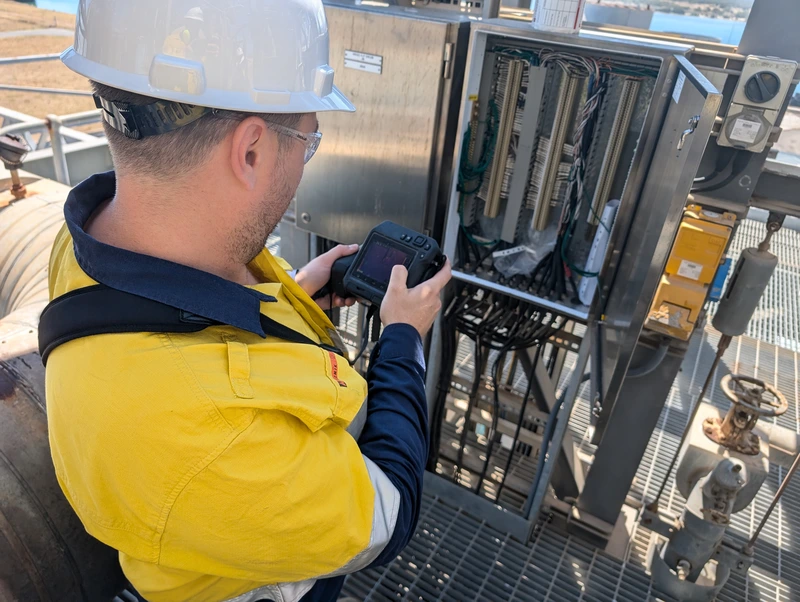
We inspect switchboards and associated infrastructure under normal operating conditions using advanced thermographic equipment. Our electrical thermal imaging capability forms the foundation of this assessment.
2. Load and system review
Where anomalies are detected, we assess load conditions, phase balance and demand behaviour to determine whether overload, imbalance or component stress is contributing.
3. Targeted verification
Specific circuits or components are examined to confirm the fault source, whether related to loose terminations, insulation degradation or failing switchgear.
4. Reporting
Findings are delivered in a structured, insurance-ready report outlining severity and recommended corrective actions.
See a Melbourne electrical fault investigation completed using thermal imaging.
When to Call for Electrical Fault Testing
Fault diagnostics are typically triggered by operational change rather than visible damage. Electrical systems often show measurable warning signs before failure occurs. You may need an electrical fault analysis when you notice:
- Recurring circuit breaker trips or blown fuses.
- Machinery shutting down without clear mechanical cause.
- Equipment operating hotter than usual under standard load.
- Unexplained increases in energy consumption.
- The need for investigation following an electrical incident.
Why Choose Thermal Scanners for Fault Diagnostics
Effective fault diagnostics depend on experience, technical depth and clear reporting. Thermal Scanners delivers all three.
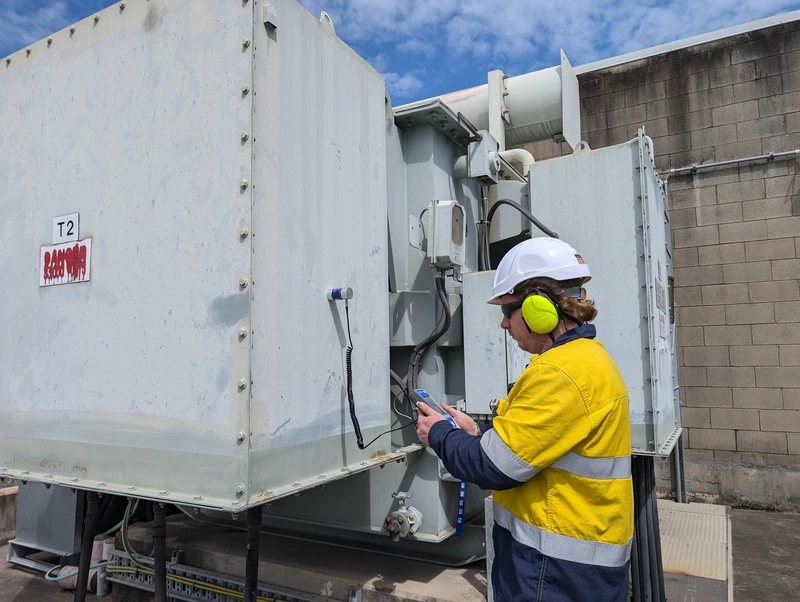
Electrical infrastructure inspection is our core focus. Our inspections are led by qualified engineers with extensive experience across commercial, industrial and government assets. We conduct electrical fault analysis under live operating conditions, ensuring findings reflect real load behaviour rather than theoretical assumptions.
What sets us apart:
- Engineering-led diagnostics, not general electrical inspections.
- Thermography as a core discipline, not an add-on service.
- Experience across large-scale and high-risk environments.
- Detailed, insurance-ready reporting with prioritised findings.
- Responsive turnaround and structured communication.
Frequently Asked Questions
What is the difference between a thermal scan and a fault diagnostic?
A thermal scan identifies abnormal heat patterns within electrical infrastructure. It highlights elevated temperatures while systems are operating under load. A fault diagnostic goes further. Through structured electrical fault detection and targeted testing, we determine the electrical cause behind that heat, whether it relates to a loose termination, overload condition or failing component.
What is the difference between electrical fault finding and routine electrical testing?
Routine testing is scheduled and compliance-based, such as mandated RCD or safety checks performed at fixed intervals. Electrical fault-finding services are investigative and targeted. They are used to isolate specific issues, confirm irregular behaviour or respond to operational concerns. Rather than verifying compliance, the focus is on identifying the source of performance or safety risks.
How long does electrical fault finding typically take?
Industrial electrical fault finding depends on system size, accessibility and the nature of the fault.
Smaller switchboards may require only a few hours. Larger or more complex infrastructure can involve staged electrical fault testing across one or more days, particularly where intermittent behaviour must be observed under load.
Can you provide fault finding for high-voltage (HV) systems?
Yes. Thermal Scanners operates within high-voltage environments and complex industrial infrastructure.
We apply structured electrical fault detection methodologies suitable for live systems and large-scale commercial or government assets.
Secure Your Site’s Electrical Integrity
Unresolved electrical irregularities can escalate into downtime, asset damage or compliance exposure. If your site is experiencing recurring issues or requires targeted electrical fault testing, contact Thermal Scanners to arrange a structured assessment and maintain the integrity of your electrical infrastructure.