If you’re responsible for a commercial or industrial site, you’ve probably heard references to ISO standards in thermography reports. But what do they actually mean, and why should you care?
This guide breaks down the key electrical thermography standards used in Australia, including ISO 18434-1 and ISO 18436-7. We’ll look at what they cover, who they apply to and how they affect the quality of the inspection and reporting you receive.
Key Talking Points
Lorem ipsum dolor sit amet, consectetur adipiscing elit. Ut elit tellus, luctus nec ullamcorper mattis, pulvinar dapibus leo.
- Why do electrical thermography standards exist in the first place?
- What ISO 18434-1 says about how inspections are carried out.
- What ISO 18436-7 requires in terms of technician competency.
- The difference between Category I, II and III thermography certifications.
- Why insurers and WHS regulators pay attention to these standards.
Essential Standards for Electrical Thermography
In Australia, two ISO standards are particularly important, but they serve different roles.
AS ISO 18434.1:2010 governs how thermographic inspections must be performed, including inspection methodology, measurement procedures and reporting practices.
AS ISO 18436.7:2014 governs the certification and competency of thermography professionals performing those inspections.
Put simply, ISO 18434-1 defines how thermographic inspections are carried out, while ISO 18436-7 defines who is qualified to perform and interpret them.
Together, they form the backbone of professional electrical thermography programs in commercial and government facilities.
Understanding AS ISO 18434.1
AS ISO 18434.1 sets out how a thermographic inspection should be performed so the results are technically sound and repeatable. Rather than inspections being informal visual checks, it requires a structured approach to capturing and interpreting thermal data.
What Does it Cover
Equipment suitability
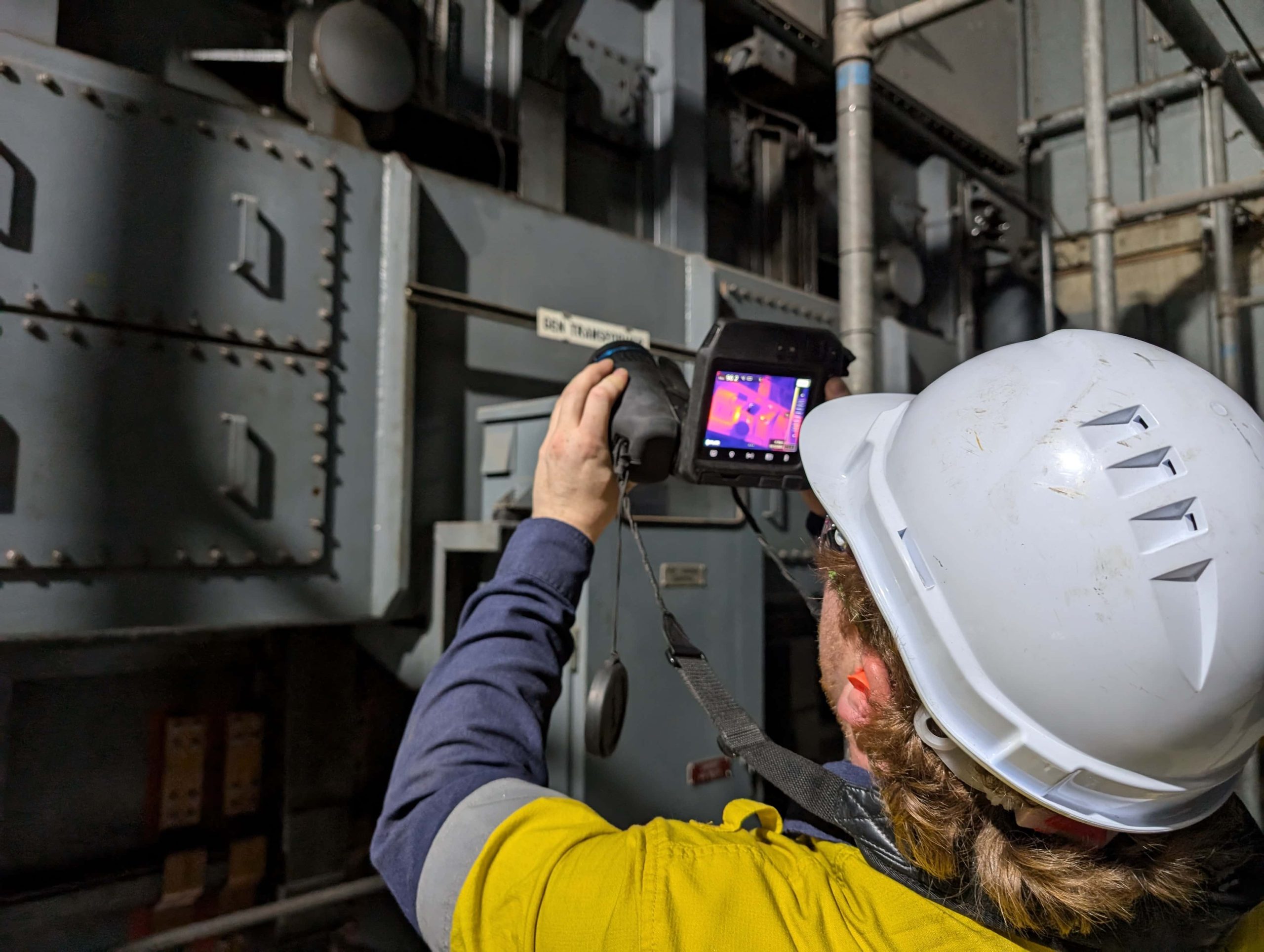
The infrared camera must be appropriate for the asset and properly calibrated. Resolution, temperature range and sensitivity all matter when assessing live electrical infrastructure.
Environmental factors
Load levels, ambient temperature, airflow and reflective surfaces can all influence readings. Inspectors need to account for these variables. Otherwise, the data can be misleading.
Data recording
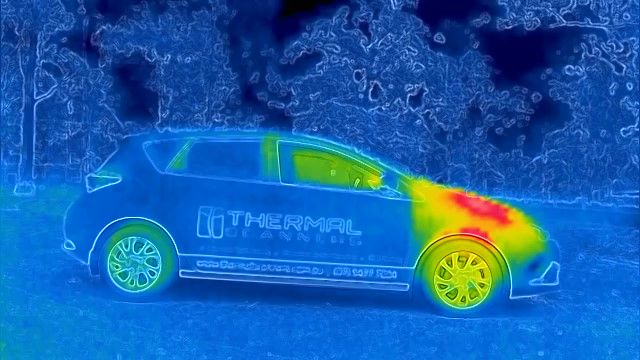
Images must be clearly labelled and supported with contextual information, including asset ID, load conditions and measured temperatures. Without that detail, the image alone doesn’t tell you much.
AS ISO 18436.7:2014
AS ISO 18436.7:2014 defines the training and competency requirements for thermography professionals under ISO 18436-7. In other words, it sets the bar for who is qualified to operate the camera and interpret the results.
What Does it Explain
ISO 18436-7 requires formal training, assessment and certification. It’s designed to prevent unqualified operators from producing reports that could misinterpret temperature differences as serious faults or worse, miss critical issues altogether.
Certification typically involves formal training, examination and practical assessment delivered through accredited training organisations. This ensures thermographers are capable of operating the equipment correctly and interpreting temperature anomalies within the context of electrical system behaviour.
For facility managers and procurement teams, this is more than a technical detail. If the person conducting the inspection isn’t properly certified, the credibility of the report can be questioned.
Certification Levels Under ISO 18436-7
One of the most common misunderstandings we see is the assumption that ‘certified’ means the same thing across the board. It doesn’t. Under ISO 18436-7, certification levels reflect different levels of responsibility and technical depth. That difference can directly affect the quality of advice you receive.
You can read more about our team’s background and experience at Thermal Scanners.
Category I (The Technician)
A Category I thermographer is trained to operate infrared equipment and identify obvious temperature anomalies. They can capture images and highlight areas that appear hotter than expected.
What they’re not qualified to do is provide detailed engineering analysis or explain the underlying failure mechanism.
Category II (The Expert)
A Category II thermographer goes further. They interpret the data in the context of the electrical system, assess the severity of the fault and provide practical recommendations.
If a defect is identified, that analysis often feeds directly into coordinated electrical compliance repairs, ensuring the issue is not only documented but resolved properly.
Category III (Advanced Thermography Specialist)
Category III certification represents an advanced level of thermographic expertise under ISO 18436-7. Professionals at this level are capable of developing thermography inspection procedures, establishing inspection programs and providing advanced technical analysis of complex systems.
Category III thermographers may also be responsible for reviewing inspection methodologies, validating inspection results and providing technical oversight across large inspection programs.
This level of certification is typically associated with senior thermography specialists responsible for program design, quality assurance and complex diagnostics.
Why it Matters
For commercial and industrial facilities, the certification level of the thermographer performing the inspection can directly affect the credibility of the report.
Many insurers, auditors and compliance programs expect thermographic inspections to be conducted or overseen by appropriately certified professionals under ISO 18436-7.
Higher certification levels indicate greater diagnostic capability and a stronger ability to accurately assess electrical risk. For complex facilities or critical infrastructure, oversight by Category II or Category III thermography professionals provides greater confidence that defects have been correctly identified and prioritised.
Why These Standards Matter for Your Business
When your inspection program aligns with recognised electrical thermography standards, you’re showing that hazards are being identified using accepted methodology and qualified personnel. That’s important if an insurer, auditor or regulator ever asks questions.
Insurance Validity
Many insurers now require periodic thermographic inspections, particularly for high-rise buildings, manufacturing facilities and data centres.
Reports that reference ISO 18436-7 competency and follow structured inspection procedures provide stronger assurance that electrical risks have been properly assessed.
WHS Compliance:
Under Australian Work Health and Safety laws, duty holders must take reasonably practicable steps to manage risk. That includes identifying electrical hazards before they escalate. Using recognised standards and properly certified personnel supports a defensible compliance position if an incident occurs.
FAQs
Is electrical thermography mandatory in Australia?
Not universally. However, it’s commonly driven by insurer requirements, contractual obligations and internal risk management programs. The need varies depending on your industry, asset type and risk profile.
How often should commercial sites conduct electrical thermography inspections?
For many sites, annual or biannual inspections are standard. Higher-risk environments, such as facilities with critical infrastructure or high electrical loads, may require more frequent assessment.
What should be included in an insurance-ready thermography report?
- At a minimum, you should expect:
- Asset identification and location
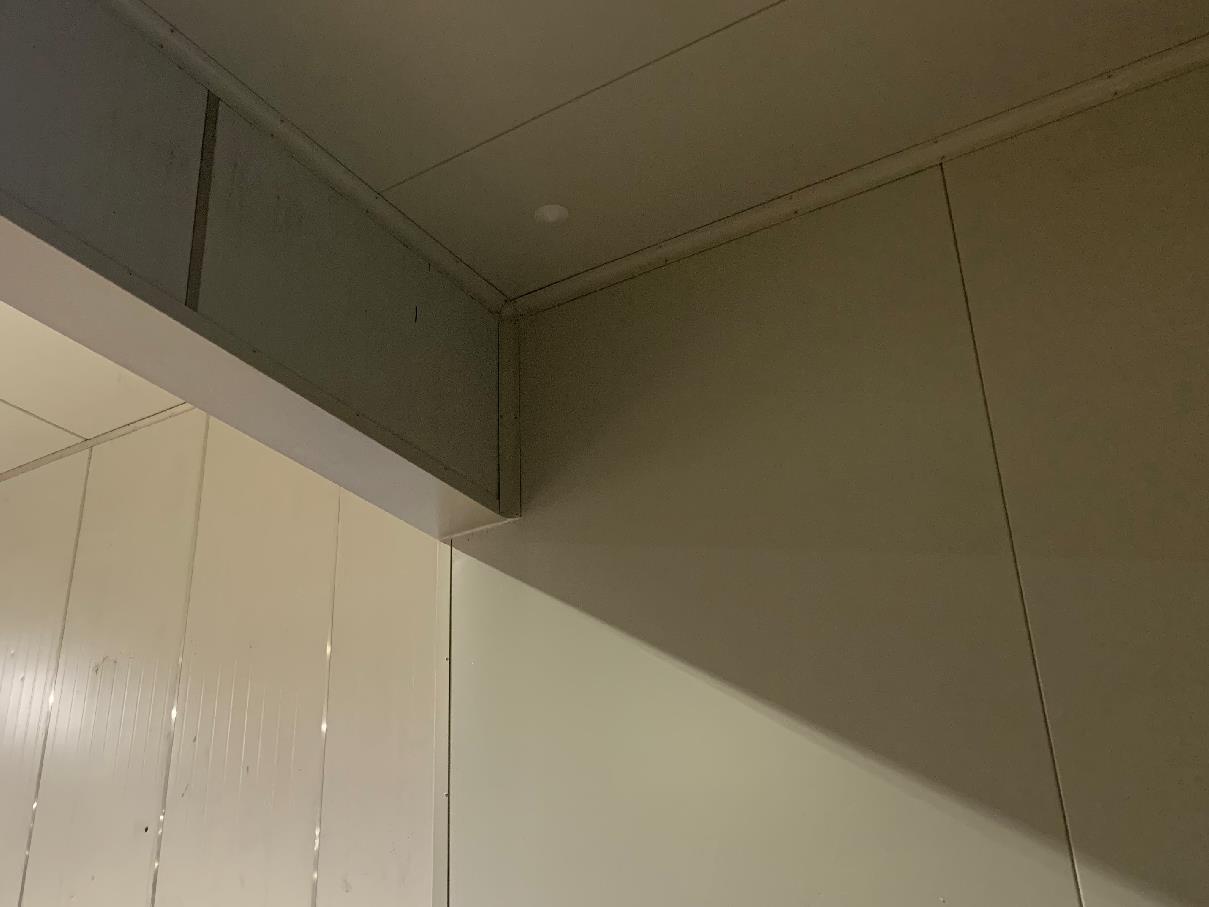
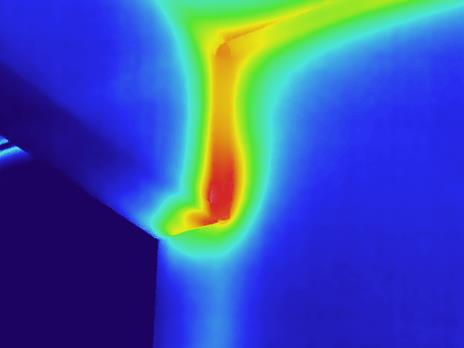
- Infrared and corresponding visual images
- Clear description of anomalies
- Severity or risk classification
- Load conditions at time of inspection Date and time
- Camera details and calibration status
- Practical recommendations
If those elements aren’t present, the report may not stand up well under scrutiny.
Book Your Electrical Thermography Inspection
When inspections follow ISO 18434-1 and are overseen by appropriately certified professionals under ISO 18436-7, your organisation has stronger assurance that electrical risks are being identified and documented correctly.
If you’d like to review your current inspection approach or clarify compliance expectations, get in touch with our team.