
Thermal scanning is the use of a special type of scanner (camera-like device) that records the temperature distribution of an object by detecting infrared radiation. Normally, humans are unable to see into the infrared spectrum and instead have a very narrow field of vision, as shown below. However, with special equipment, we are able to detect and convert this infrared data into a visual image.
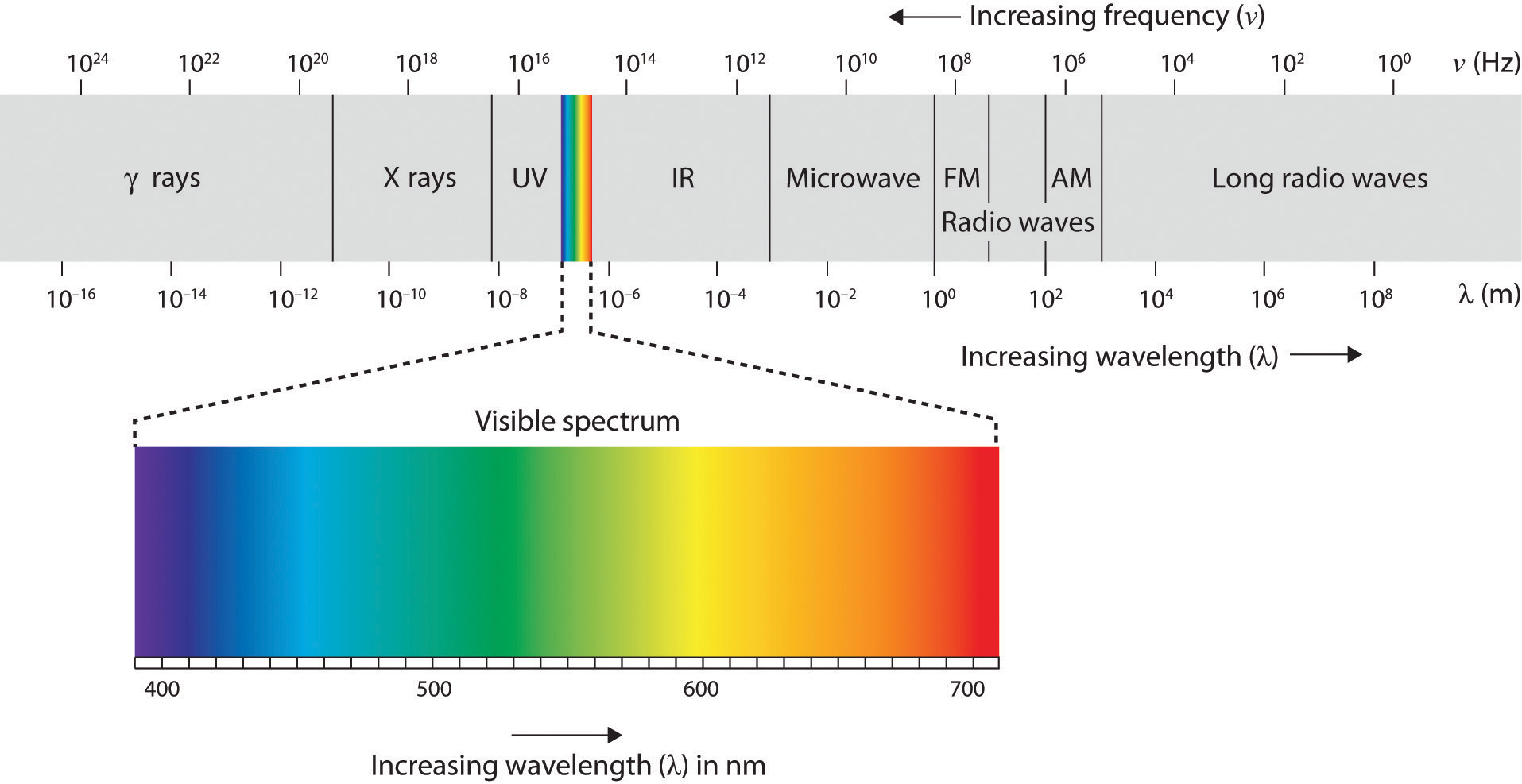
What is Infrared Radiation?
Everything with a temperature above absolute 0 (-273.13°C or 0°K) releases infrared radiation. In operating electrical and mechanical equipment, that heat forms a measurable pattern that can be captured through thermal scanning, even when there are no visible signs of a problem.
Using thermography, this data is converted into a thermal image showing how heat is distributed across a surface. Although the image itself is quite simple, interpreting it requires technical knowledge and understanding of operating conditions. Reliable interpretation depends on how those patterns compare under load, within expected operating ranges and in the context of the site and conditions at the time of inspection.
What is a thermal image?
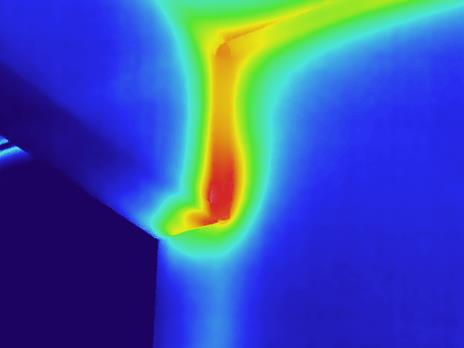
In practical terms, it is a visual snapshot of surface temperatures taken during a thermal scan. Colour variations indicate differences in heat across an asset, helping highlight areas that may be operating outside expected conditions. When reviewed alongside load and site context, a thermal image provides valuable insight into developing faults.
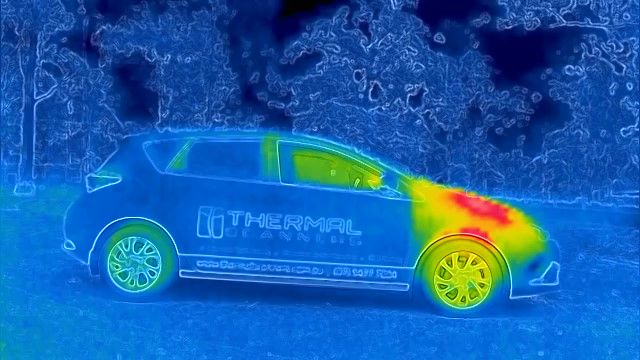
However, accurately measuring temperature is more complex than it first appears. Different materials emit infrared radiation at different rates due to their ‘emissivity’, which directly affects how heat is recorded during thermal scanning. This is one of the reasons thermography must be carried out by trained professionals who understand how surface type, finish and environment influence the readings. Emissivity is a technical topic in its own right and is explored in more detail separately.
What Can Thermal Scanning Detect?
Because thermography focuses on surface temperature differences, it is well-suited to identifying heat-related issues that are not visible during a visual inspection. These conditions are more common than many people expect and are frequently found in electrical equipment, solar installations and areas of energy loss.
In electrical systems, heat is often an unwanted byproduct of increased resistance. As faults develop, issues such as loose connections, load imbalance or component degradation cause resistance to rise, leading to elevated operating temperatures. Depending on the component and load, temperatures can exceed 400°C prior to failure, significantly increasing the risk of electrical fire if left unaddressed.
Thermographic results are assessed comparatively, not in isolation. Identified hot spots are reviewed against surrounding surfaces and components, against similar equipment operating under comparable conditions, and, where available, against a previous thermal image of the same asset. This approach helps determine whether a temperature variation reflects normal operation or a developing fault.
Thermographic scans are commonly used on:
- Electrical switchboards and distribution boards.
- Transformers and high-voltage equipment.
- Circuit breakers and cable terminations.
- Motors, pumps and generators.
- Bearings and conveyor systems.
- Solar panels and associated connections.
What Can't Thermal Scanning Detect?
Thermal scanning can only detect the surface energy of an object. It does not see through walls, clothing, glass or other solid materials. While popular media often suggests otherwise, thermal scanners record infrared energy emitted from the surface of an object, not what lies beneath it. For this reason, results must be interpreted with a clear understanding of asset construction, access and operating conditions at the time of inspection.
Types of Thermal Imaging
Mechanical thermography
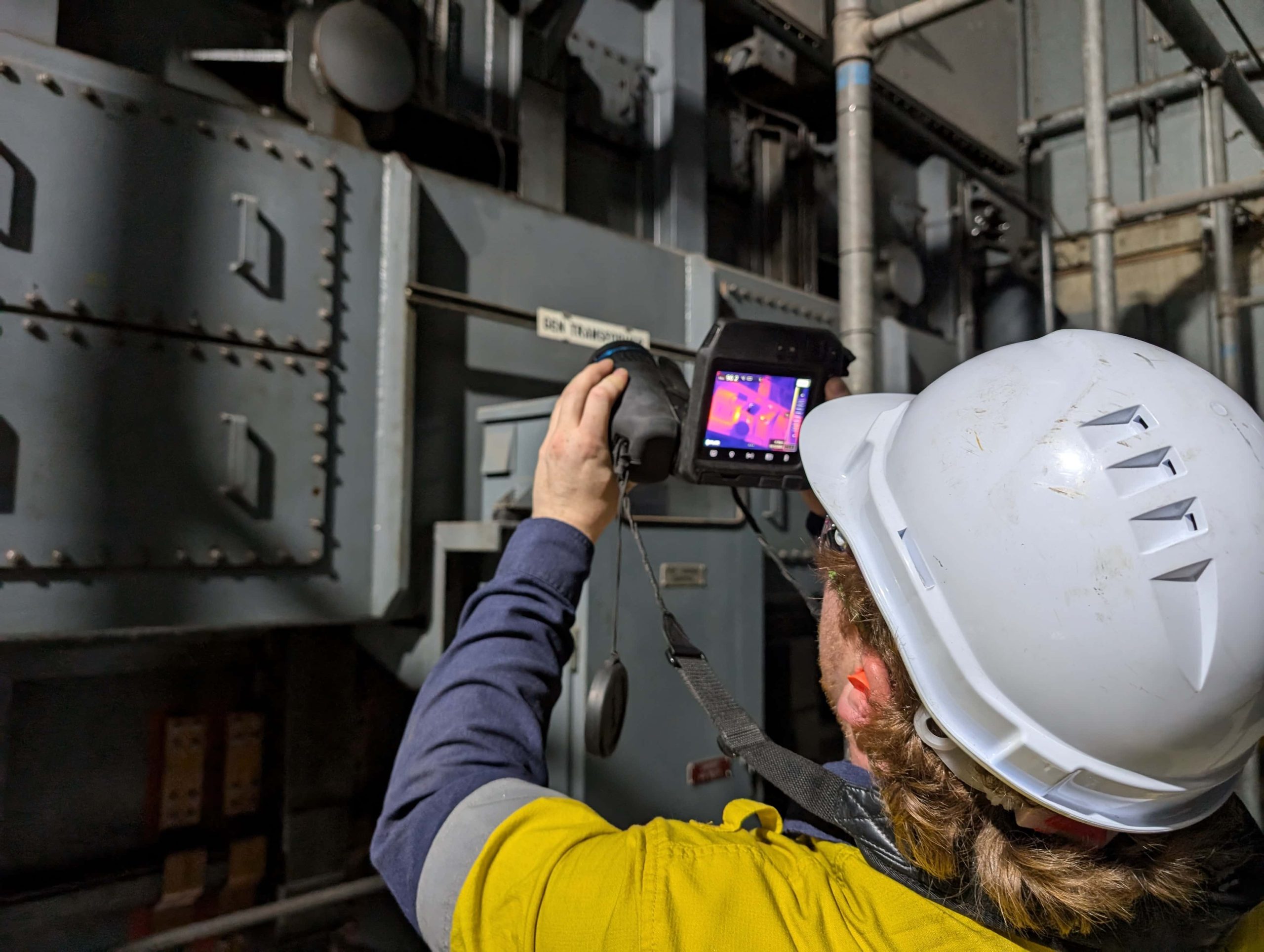
Mechanical thermography uses high-resolution infrared cameras to assess heat patterns in operating mechanical equipment. Scans are typically carried out while assets are under normal load to identify issues caused by friction, wear or misalignment. It is commonly used on pumps, bearings, generators, motors, conveyor lines and rollers. Learn more about mechanical thermography and how it supports early fault detection and planned maintenance.
Electrical thermography
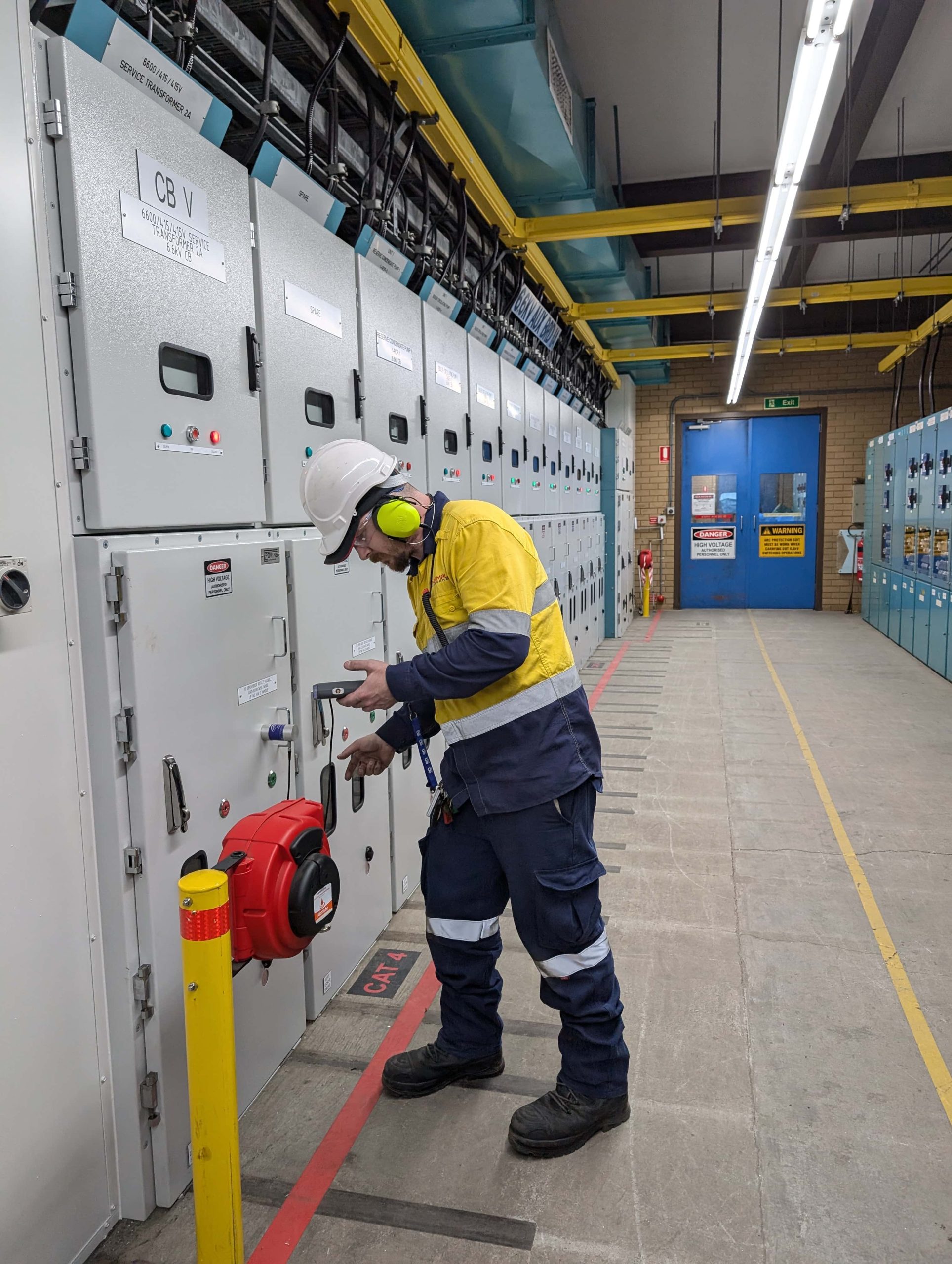
Electrical thermography involves scanning live electrical systems with calibrated infrared cameras to identify abnormal heat caused by faults or inefficiencies. Inspections are commonly carried out on cables, circuit breakers, switchgear and transformers while equipment is operating under load. Learn more about electrical thermography and how it supports electrical safety, compliance and risk management.
Cold room leak detection
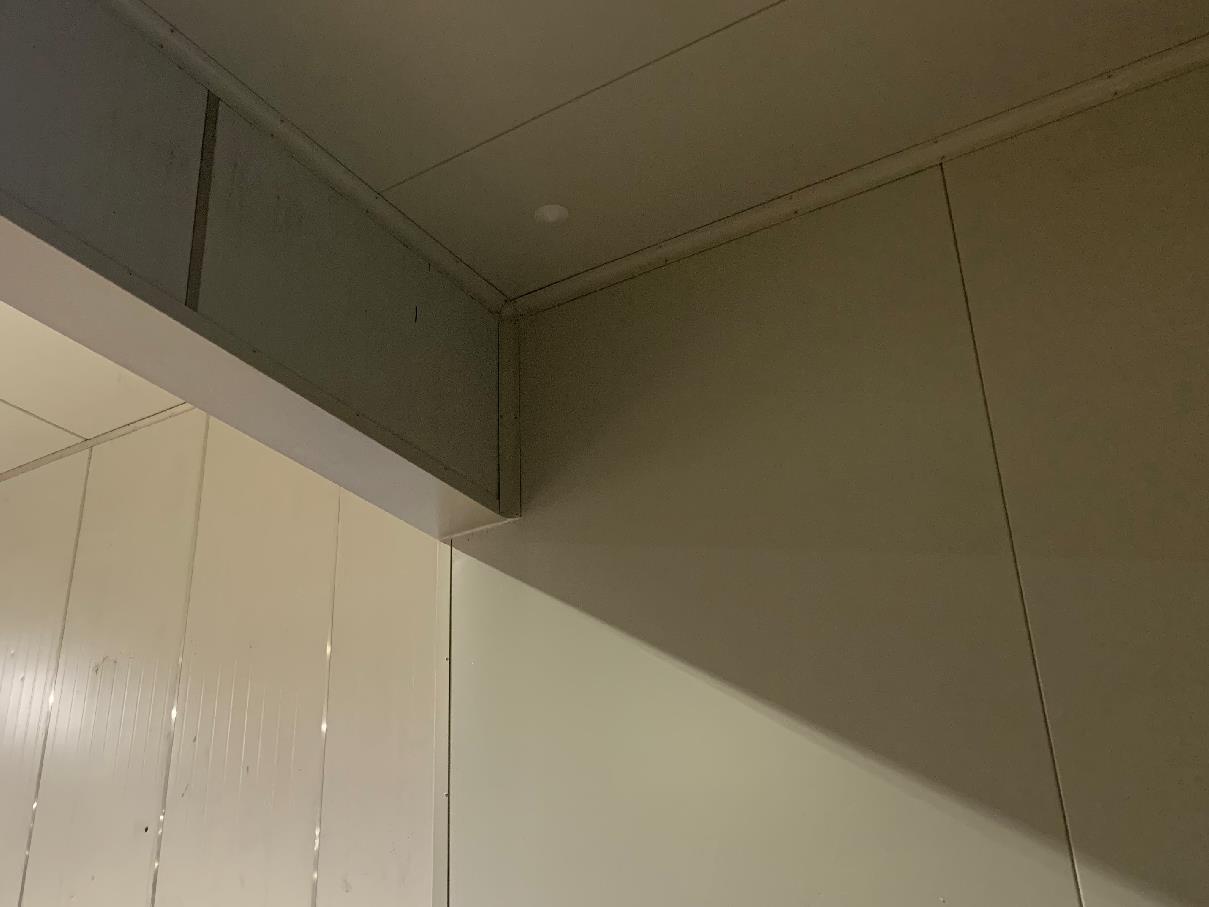
Cold room leak detection uses thermal scanning to identify areas where temperature loss indicates insulation failure or air leakage. Scans commonly reveal issues at insulation panel joints, floor-to-ceiling junctions, corners, door seals and service penetrations such as electrical and plumbing points. Learn more about cold room leak detection and how it supports energy efficiency and temperature control.
Why are Thermal Scans Helpful?
Thermal scans are typically scheduled as part of routine maintenance, rather than triggered by a visible fault. This allows developing issues to be picked up while the equipment is still operating normally. In many cases, abnormal heat can be traced back to loose connections, load imbalance or early component wear, well before failure occurs. Addressing these issues early reduces the likelihood of fire risk, equipment damage or an unplanned shutdown later on.
Thermal scanning also supports wider safety and operational outcomes:
- Reduces risk of injury by identifying electrical and mechanical hazards before they expose staff or customers to fire or electric shock.
- Limits shutdown costs by allowing issues to be addressed during planned maintenance.
- Reduces repair costs by preventing secondary damage caused by prolonged overheating.
- Supports regulatory compliance through documented, insurer-ready inspection evidence.
- Highlights energy inefficiencies by revealing heat loss and abnormal operating conditions.
When to Do a Thermal Scan
Thermal scans are typically carried out as part of a regular, insurance-compliant inspection program, particularly where electrical assets present a higher risk profile. Ongoing inspections help demonstrate due diligence and provide documented evidence for insurers and auditors.
The need for thermal scanning, including how often it is performed, depends on how the equipment is used and the environment it operates in. These requirements vary across sectors, which is why many organisations align inspections with thermal scanning for your industry.
Thermal scans are commonly recommended:
- Before and after major electrical or mechanical system upgrades.
- On main switches or distribution boards with ageing or outdated equipment.
- Where assets operate in dusty or corrosive environments.
- When electrical equipment is installed near combustible materials or exposed to open air.
- On circuits operating close to their maximum rated capacity.
Who Should Conduct Thermal Scans?
Thermal scans should be carried out by accredited professionals with the qualifications, experience and reporting capability to support insurance and audit requirements. Thermal Scanners specialises in electrical thermography and compliance testing across commercial, industrial and government infrastructure. Our work is led by highly qualified engineers, supported by large-scale project experience, detailed audit-ready reporting and fast turnaround times.
If you need advice on inspection scope, compliance requirements or scheduling, you can contact us to discuss your site or portfolio.