
Mechanical Thermography
- Qualified technicians 30 years experience
- No interruption to operations
- Clear risk prioritisation for maintenance planning
- Detailed insurance-compliant reports
- Early identification of mechanical faults
- RCD testing also available
Book an inspection
Proactive Inspection for Mechanical Equipment
Mechanical thermal scanning provides clear visibility into how mechanical assets are performing under load. By analysing surface temperature patterns while equipment is operating, a mechanical equipment thermal scan can identify developing issues that are not apparent during routine visual inspections.
Through mechanical thermal imaging, friction in bearings and housings, misalignment in drive shafts, high-wear areas and worn bearings or contact surfaces can be identified. Mechanical device thermal scanning also supports monitoring of heat dissipation across gearboxes and cooling systems, allowing issues to be addressed before they escalate into failure or unplanned downtime.

What is Mechanical Thermal Imaging?
Mechanical thermography, also known as mechanical thermal imaging, is the use of high-resolution thermal imaging technology to assess the operating temperatures of mechanical devices under normal and peak operating conditions. This method allows temperature variations and developing issues within mechanical equipment to be identified without disrupting operations.
Thermal imaging can be carried out on a range of mechanical devices, including:
Pumps
Conveyor lines and rollers
Bearings
Motors
Generators
As part of a broader inspection capability, Thermal Scanners also delivers electrical thermal imaging and specialist inspections such as cold room energy leakage, supporting clients across multiple risk areas through a single provider.

Our Process in Precision Mechanical Thermal Imaging
Mechanical thermal imaging with Thermal Scanners is delivered by experienced thermographers using a consistent inspection methodology developed for complex operating environments. Each mechanical equipment’s thermal scan is planned to align with site conditions, ensuring equipment is assessed while operating under normal or peak load.
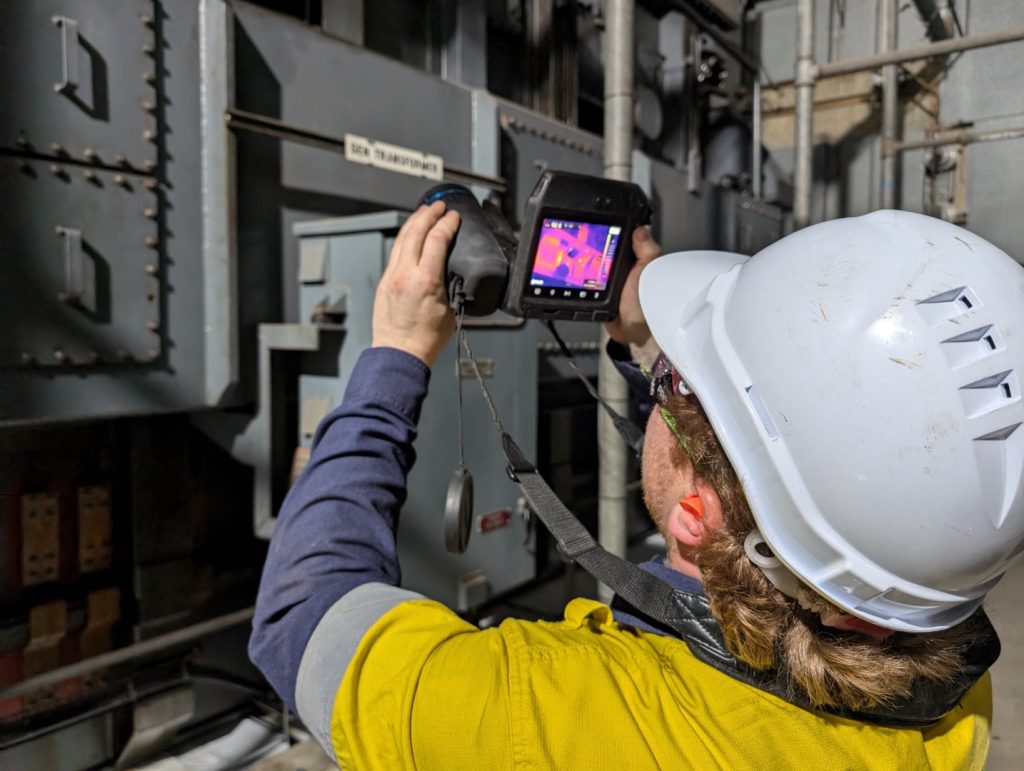
During inspections, high-resolution thermal cameras capture temperature data across in-service mechanical components. This allows temperature patterns to be compared and thermal exceptions to be identified with accuracy and repeatability.
Common issues that mechanical scanning can identify include:
- High wear areas
- High Friction areas
- Misalignment of shafts
- Worn Bearings or surfaces
Because many mechanical faults develop without visible signs, this process allows issues to be detected earlier, supporting timely maintenance before failure occurs.
What To Expect From Mechanical Thermal Scanning
Mechanical thermal scanning with Thermal Scanners is structured to support maintenance planning, compliance reviews and asset risk management. Inspections are carried out by licensed thermographers while mechanical equipment is operating under normal or peak load, ensuring temperature data reflects real operating conditions.
Following the inspection, clients receive a detailed mechanical thermal imaging report designed for practical use. Reports clearly document identified thermal exceptions and provide the information required to prioritise maintenance activity and support audit or insurance requirements.
Mechanical thermal scanning reports typically include:
- Defined inspection scope
- Thermal and visual images of identified exceptions
- Asset location details
- Date and time of inspection
- Priority ratings based on severity
- Likely contributing factors such as friction, wear or misalignment
- Thermographer qualifications
Mechanical Thermography Across Industries
Thermal Scanners delivers mechanical thermography across a wide range of operating environments, supporting asset reliability, safety and compliance in both critical and high-risk settings.
Industries supported include:
Frequently Asked Questions
How often should we conduct a mechanical thermal scan?
A mechanical thermal scan is typically conducted annually as a baseline. In high-stress operating environments such as mining, heavy manufacturing or continuous-run facilities, mechanical thermal imaging may be performed more frequently to account for higher wear rates and operating loads.
Does the equipment need to be turned off?
No. For a mechanical equipment thermal scan to be accurate, equipment must be operating under its usual load. Mechanical thermal scanning relies on real-time temperature behaviour, which cannot be assessed when equipment is shut down.
Can thermal imaging detect bearing failure before it happens?
Yes. Mechanical thermal imaging can identify friction-induced heat in bearings before physical seizing, vibration or audible noise occurs. This allows bearing issues to be addressed earlier through planned maintenance rather than reactive repair.
Why Choose Thermal Scanners for Your Mechanical Equipment?
As a trusted, Australian-owned mechanical thermal scan company, Thermal Scanners specialises in thermography-led inspection services, delivering mechanical thermal imaging across commercial, industrial and government environments. We bring over 30 years of experience, supported by deep technical capability and a strong understanding of compliance and asset risk.
Inspections are delivered by licensed professionals using proven methodologies and reporting frameworks designed for maintenance planning, audit review and insurance requirements. This ensures consistent, dependable outcomes across complex operating sites.
Learn more about Thermal Scanners or contact the team to discuss your inspection requirements.
Book an inspection
Maintain peak operation of your mechanical equipment and prevent breakdowns with thermal inspections. Contact us now to schedule an expert inspection to identify potential faults.
Key Benefits of Mechanical Thermography
Investing in routine thermal scanning and identifying potential faults early can have a significant impact on operational costs and productivity through:
- Planning downtime for repairs during non-peak times
- Reducing the cost of repairs by only replacing faulty components
- Preventing unexpected shutdowns that result in costly productivity loss
- Minimising the risk of fire and further damage due to failure of components
- Identifying high friction zones that may damage liners, belts or other expensive components
Thermal imaging of mechanical components should be carried out on a regular basis (annually) as a part of a preventative maintenance regime to assess and ensure the health of all mechanical equipment.
Maintain Optimal Performance with Mechanical Thermography
Why wait for a breakdown to take action? Stay ahead of costly downtime and repairs with proactive maintenance that keeps your equipment performing at its peak. Schedule a mechanical thermal scan with Thermal Scanners today and get a detailed, customised report to safeguard your operations and your bottom line.